

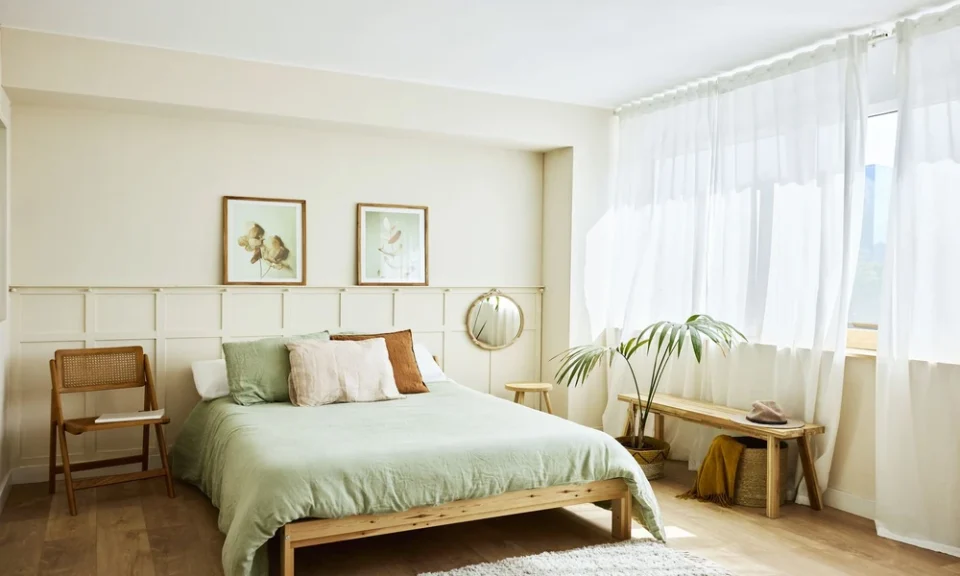
Many homeowners believe that a small bedroom automatically limits what they can achieve with the space. In reality, the issue is often not the room size itself but the furniture choices made within it.
A poorly planned bedroom can feel cramped and restrictive regardless of its dimensions. Conversely, a well-designed room can feel comfortable, organised and spacious even when square footage is limited.
The difference usually comes down to choosing the right bed, the right mattress and the right balance between comfort and practicality.
Why Bedroom Layout Matters More Than You Think
The bed is normally the largest item in the room, which means it has a significant impact on how the entire space functions.
A bed that is too large can restrict movement and make the room feel crowded. A bed that is too small may save space but compromise comfort.
This is why many homeowners begin by reviewing UK bed size guide before making a purchase. Understanding the relationship between bed size and available floor space often leads to better decisions and a more comfortable bedroom overall.
Creating a balanced layout allows the room to function properly throughout the day while still providing a comfortable sleeping environment at night.
The Growing Demand for Better Sleep
People are becoming increasingly aware of how important sleep is to their overall wellbeing.
Quality sleep influences concentration, productivity, mood and physical recovery. As a result, buyers are paying closer attention to the products they choose for their bedrooms.
However, many still underestimate the role that mattress size plays in achieving comfortable sleep.
Why Mattress Width Can Make a Difference
A common mistake is choosing a mattress that is just large enough rather than one that genuinely suits the sleeper.
Extra sleeping space often improves comfort, particularly for individuals who move regularly during the night. Even relatively small increases in mattress width can create a noticeably better sleeping experience.
Products such as mattresses for every sleeper provide additional room without necessarily requiring a dramatic increase in bedroom size.
For many households, this creates the ideal balance between comfort and practicality.
Why Practical Bedrooms Feel More Relaxing
Organisation contributes significantly to how comfortable a bedroom feels.
Rooms that are cluttered with unnecessary furniture often feel smaller and more stressful. In contrast, bedrooms with a clear layout and carefully selected furniture tend to feel calmer and more inviting.
This is why modern bedroom design increasingly focuses on usability rather than simply appearance.
Looking Beyond Trends
Design trends come and go, but comfort remains important year after year.
Furniture chosen purely because it is fashionable may not continue meeting practical needs over the long term. Prioritising comfort, durability and functionality usually results in greater satisfaction.
Bedrooms should be designed for everyday living rather than occasional admiration.
Why Long-Term Thinking Saves Money
Replacing furniture is expensive and disruptive.
By investing in products that remain comfortable and practical for years, homeowners often achieve better value despite spending slightly more initially.
This is particularly true for beds and mattresses, which play such an important role in everyday life.
Creating a Bedroom That Works Properly
The most successful bedrooms are those where every item serves a purpose.
The bed supports quality sleep, the mattress provides comfort and the layout allows the room to function efficiently. When these elements work together, the result is a space that feels noticeably better to live in.
Good design is rarely about complexity. More often, it comes from making a series of sensible decisions that improve comfort and usability over time.
