

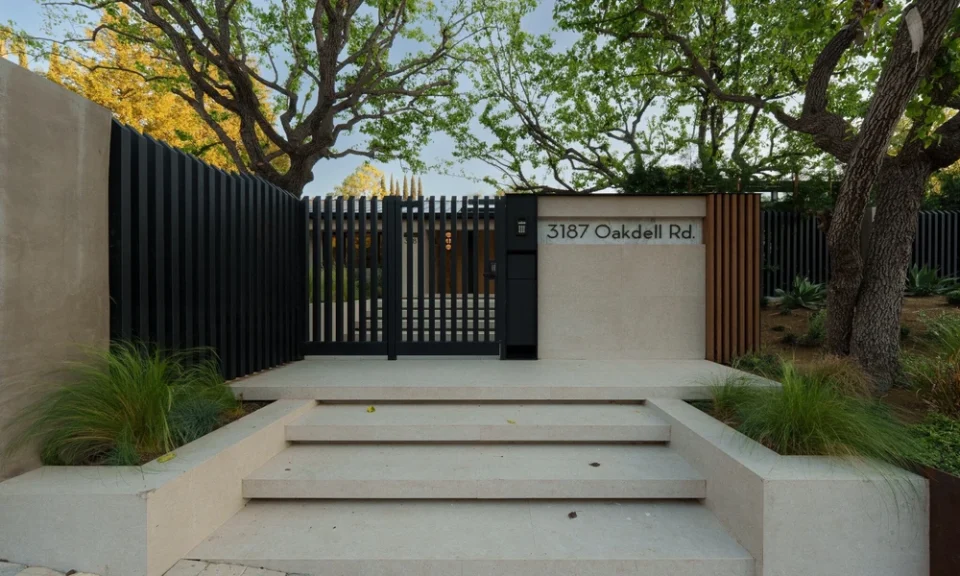
A house number can be the single detail that transforms a home’s curb appeal or leaves visitors squinting from the sidewalk. While it might seem like a minor decision, the process of choosing and installing exterior numbering is layered with important considerations. Achieving the perfect blend of visibility and aesthetics not only helps guests and delivery drivers, but also enhances the overall look and value of your property.
The Importance of Balancing Visibility and Aesthetics in Exterior Numbering
Great exterior numbering does more than mark your address. It serves as a handshake between your home and the world, playing a practical role in navigation while also speaking volumes about style. The ideal house number is instantly readable from the street, day or night, and feels like a seamless extension of your home’s design. When numbers are too small or blend in too well, even the most beautiful plaque loses its function.
Why House Numbers Matter: First Impressions and Practicality
First impressions are powerful. Anyone approaching your property interacts with your house number before they even ring the bell. Quick identification is crucial for emergency responders and delivery services. At the same time, numbering that stands out for the wrong reasons, a clashing style or awkward placement, can detract from even the most thoughtfully designed façade.
The Challenge: Visibility vs. Design Harmony
Finding the sweet spot between making numbers stand out and blending with your home’s style is a true design challenge. Overly bold or modern numbers might fight with a heritage façade. On the other hand, highly decorative plaques can sacrifice legibility for ornamentation. The trick is to pair size and contrast with the right material, finish, and placement so both goals are met.
Impact on Property Value and Curb Appeal
Well-designed numbering is an easy upgrade that can boost perceived property value. Clean, attractive numbers signal care and attention, while beat-up or missing numbers send the opposite message. In competitive real estate markets, the details matter, and numbering is one of the simplest ways to set your property apart.
Understanding Your Home’s Architectural Style
Toronto’s neighborhoods are a patchwork of architectural history: Victorian, Edwardian, mid-century, and ultra-modern coexist on the same block. Matching your numbering to the spirit of your home is just as important as picking the right color for the door.
Common Styles in Toronto and Their Design Cues
The city’s bay and gable houses are defined by prominent front-facing windows and steep-pitched gable roofs. Annex style homes, meanwhile, feature robust Romanesque arches and Queen Anne-inspired turrets. Each style suggests its own visual language for exterior details, from window trims to address markers.
Matching Numbering to Architectural Elements
Numbers should complement the existing lines, materials, and proportions of your home. For instance, ornate plaques suit Annex homes, while minimalist numbers feel right at home on a bay and gable or modern façade. Consider the finish as well; brushed metal or matte black numbers are contemporary, while brass or engraved stone bring warmth and historic flair.
Case Studies: Bay and Gable vs. Annex Style Houses
A bay and gable home with its clean, geometric lines benefits from simple, well-spaced individual numbers, often in a sans-serif font and a finish that pops against brick. In contrast, Annex homes with their decorative arches can support more elaborate plaques that echo the curves and materials of the façade.
Choosing the Right Materials and Finishes for Longevity and Style
Toronto’s weather is famously unpredictable, making material selection critical. Address markers endure intense sun, freezing temperatures, rain, and the occasional impact from wayward hockey pucks.
Durable Materials for Harsh Weather Conditions
– Metals: Aluminum, stainless steel, brass, and bronze resist corrosion and retain their appearance over years.
– Stone and Slate: Offer a timeless, solid look and withstand tough winters.
– Acrylic: Lightweight and versatile, ideal for modern installations.
Finish Options That Complement Different Facades
The right finish can make numbers stand out just enough. Matte black is a go-to for red brick. Brushed metal suits stone or concrete. Glossy finishes draw attention but can reflect sunlight, so placement is key.
Balancing Maintenance Needs with Aesthetic Goals
Stone and metal require little upkeep if chosen well, while painted finishes and untreated wood need periodic attention. Consider how much maintenance you’re willing to commit to before selecting a style.
Design Strategies for Optimal Visibility
Numbers should be legible from the street, at a glance, in both daylight and after dark.
Sizing Numbers Based on Sightlines and Setback
The farther your entry from the street, the larger your numbers need to be. Most Toronto homes look best with numbers at least four inches tall, sometimes scaling up to eight or more for deep setbacks.
Placement Techniques for Maximum Readability
Ideally, numbers should be mounted near eye level and contrasted against the background. Avoid tucking them behind foliage or above brightly lit windows, where glare hinders visibility.
Using Lighting: Halo-lit and Other Illuminated Options
For late-night deliveries or apartment blocks, illuminated numbers are a smart upgrade. Halo-lit numbers cast a glow that is both functional and adds a subtle wow factor to your entrance.
Customization Options to Enhance Both Function and Style
Customization transforms utility into design. Individual numbers, number bars, and engraved plaques each bring something unique.
– Individual Numbers: Clean and modern, easy to read.
– Numbers on a Bar: Quick to install and highly visible.
– Engraved Plaques: Refined and highly durable.
Adding street names, family names, or unit indicators can further clarify your address and personalize your home’s entryway.
Installation Best Practices for a Flawless Finish
Installing numbers is more than hammering in a nail. The mounting surface, brick, stone, wood, dictates the method, and templates help keep spacing crisp. For complex materials or multi-unit signage, professional installation ensures a polished result.
Integrating Branding and Commercial Signage with Exterior Numbering
For businesses and multi-unit properties, address signage needs to do double duty as wayfinding and branding. Directory boards, 3D signs, and coordinated wayfinding elements reinforce identity while directing visitors. Material and style choices should align with the business aesthetic, whether that’s modern and minimalist or classic and ornate.
The Custom Design Process: From Concept to Completion
Working with specialists like Orthografica Toronto streamlines every step, from initial site assessment through design proposals and material selection. They guide you in balancing visibility, durability, and style, with turnaround times that fit your schedule and clear instructions for installation.
A thoughtful approach to exterior numbering transforms an everyday detail into an enduring feature of your property. When visibility and aesthetics work in harmony, your address becomes an invitation, welcoming, memorable, and unmissable.
