

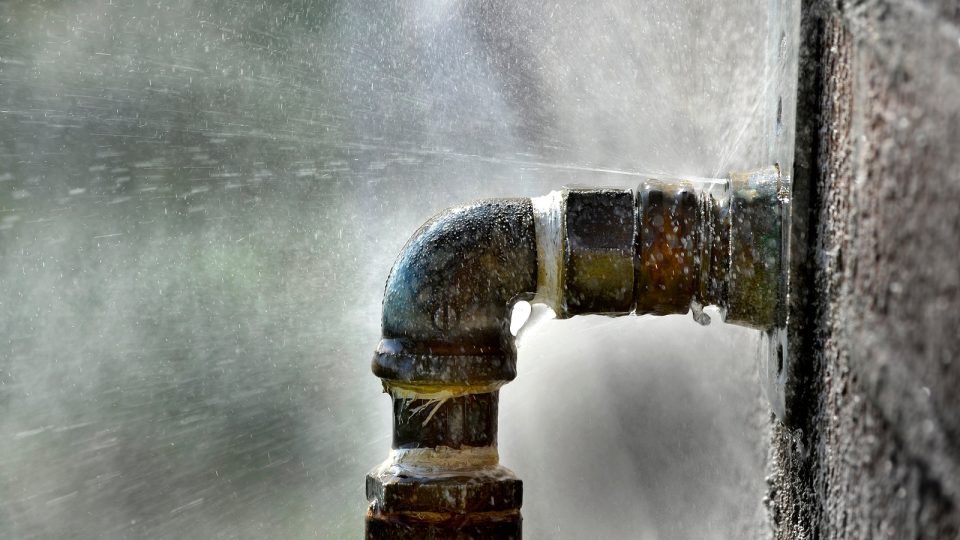
Homes feel peaceful when everything works quietly in the background. Water moves through pipes and you never think about it until something feels off. A strange smell. A damp patch that does not match the weather. A soft sound in the walls at night. That is why many locals look for leak detection darwin to understand what is really happening behind the scenes. A small check can save a lot of trouble later.
Now that the introduction settles, here are points people often want to know before they book a visit:
- Common signs that something is leaking even when water is not visible
- Areas in a home where hidden moisture often builds up
- How specialists trace water movement with the right tools
- Differences between surface moisture and deeper structural issues
- Steps that help homeowners reduce risk before help arrives
How small leaks travel further than most imagine
Water is patient. It will move through floors, walls and ceiling layers without making any noise. By the time someone notices a stain, the path behind it can be long and surprising. Bathrooms and kitchens often hide problems because pipes sit behind tiles where no one looks.
Specialists understand these patterns. They know which corners hold moisture and which areas need testing first. Their experience turns guesswork into a clear path.
Tools that help specialists understand what the eye cannot see
People imagine leak detection as knocking on walls and hoping for a hollow sound. Real work uses more precise tools. Moisture meters read levels inside materials. Thermal cameras show heat differences where water cools surfaces. Listening devices pick up small movements inside pipes.
These tools help the specialist see the hidden parts of your home. They create a picture that explains why the problem started and how far it went. That picture guides the repair plan with much better accuracy.
Moments when calling a professional makes life easier
People often try small fixes first. Tightening a tap. Repainting a mark. Placing a fan nearby. These help only when the source is minor. But when moisture keeps returning or the smell grows stronger, that is the moment to call for help.
It is not just about stopping the leak. It is about avoiding unnecessary damage to floors, furniture and walls. Once someone checks the system properly you gain a sense of control again.
How the visit usually flows from start to finish
Most homeowners expect a complicated process, but the visit is usually simple. The specialist asks about when you first noticed the issue. They walk through the home and check likely areas. Tools help them narrow down the source. Once they understand the path of the water, they explain the next steps clearly.
People say they feel relieved at this point. Even if repairs are needed, knowing what is wrong takes away the stress. That calm feeling is often the biggest reason people reach out early to leak detection darwin before the situation grows.
A small sign on the wall can be hiding a long journey of water behind it. Early attention prevents bigger costs and keeps your home steady. When you catch changes early, you protect your space and your peace of mind.
