

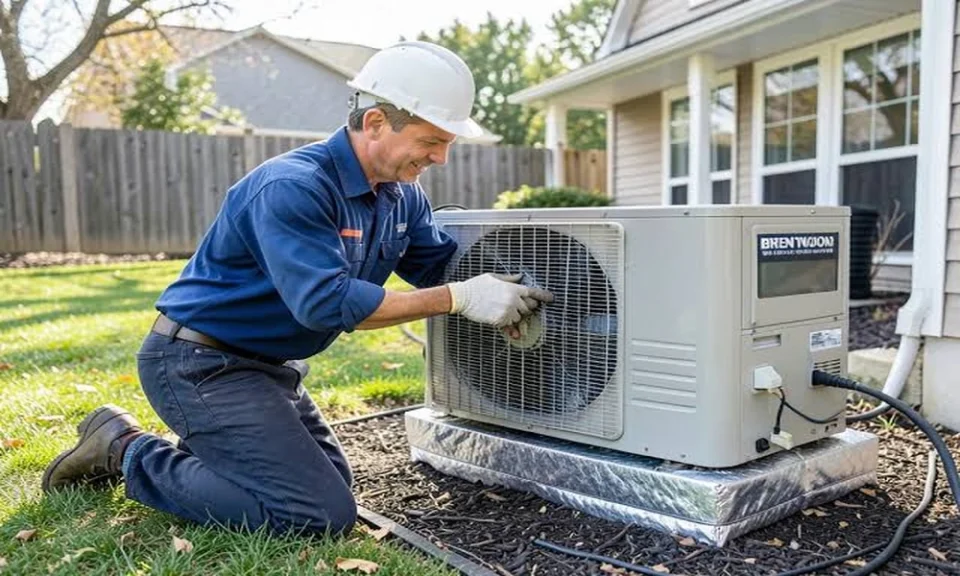
Merritt Island sits between the Indian River and the Banana River, with the Atlantic only a short drive east. That setting is the reason people love living here, and it is also the reason air conditioners on the island lead harder lives than the ones a few counties inland. Nobody warns you about this when you buy the house. You find out around year seven, when the outdoor unit looks like it has been aging in dog years. If you are looking for an HVAC company in Merritt Island, it helps to understand what your equipment is up against, because the habits that work in other places do not always work here.
A Day in the Life of an Outdoor Unit
Imagine your condenser from its own point of view. By morning, it is sitting in air that is already thick with moisture. Through the day, it is baked by a Florida sun and asked to dump heat into air that is already hot. In the afternoon, a thunderstorm rolls in, with wind, lightning and a power surge or two. Overnight, a breeze carries a fine mist of salt that settles on its fins and quietly begins to corrode them. Tomorrow it does it all again.
None of these things is dramatic by itself. Together, they add up to a system that wears out faster than the brochure suggests.
Salt Is the Slow Villain
Coastal air carries salt much farther inland than most people expect, and it clings to metal. On a condenser coil, the thin aluminum fins are the first to suffer, and as they corrode, the unit sheds heat less efficiently and works harder for the same result. Copper tubing, electrical contacts and the cabinet itself can follow.
The simplest defense is a gentle rinse. A low-pressure garden hose, with the power off at the disconnect, washes away salt before it can do much harm. Skip the pressure washer, which bends fins and can force water where it should not go. Some homeowners also ask about protective coatings for coils, and that is a conversation worth having with a technician, since the benefit depends on how close you are to the water and what the unit is made of.
Humidity Is the Daily Grind
Here, comfort is as much about moisture as temperature. An air conditioner that cools the house quickly but does not run long enough to pull water out of the air leaves you with a cold, clammy space and a healthy environment for mildew. This is one reason an oversized system, which satisfies the thermostat in short bursts, can feel worse than a properly sized one.
The condensate drain is the unsung part of this story. All that moisture removed from your air has to go somewhere, and in this climate the drain line is working nearly all year. Algae and slime build up inside it, and when it clogs, water backs up into the pan and can overflow into the ceiling or wall. A periodic flush, and a float switch that shuts the system off before an overflow, are inexpensive protections against a costly mess. The U.S. Environmental Protection Agency has practical guidance on moisture control and mold prevention that explains why keeping humidity in check matters so much for a home like yours.
Storm Season Asks Different Questions
Hurricane season shapes how island homeowners think about their equipment, and it should. Ahead of a storm, the outdoor unit should be secured to its pad, and loose items nearby should be put away so they do not become projectiles. Turning the system off at the breaker before a storm arrives protects it from surges, and many technicians recommend a whole-unit surge protector as an inexpensive layer of insurance against the lightning that accompanies ordinary summer afternoons.
After a storm, resist the urge to restart right away. Check for debris around the unit, standing water near the pad and any visible damage, and if the area flooded, have the equipment inspected before powering it up. Electrical components that have been wet can fail in ways that are both expensive and unsafe.
What Island Maintenance Really Looks Like
Maintenance schedules written for mild, dry climates fall short here. A realistic rhythm for a coastal Florida home looks more like this:
Filters need checking more often than the standard advice suggests, since a system that runs most of the year collects dust fast. Drain lines deserve attention at least a couple of times a year. The outdoor coil benefits from a rinse and a professional cleaning on a regular schedule. And a thorough tune-up before the heaviest part of the cooling season lets a technician catch refrigerant, electrical and airflow problems while they are still small. Ask any provider you are considering what their coastal maintenance looks like, and listen for specifics rather than a generic checklist.
When It Is Time to Think About Replacement
Equipment on the island often reaches the end of its useful life sooner than the average you read about online. If your system is approaching the decade mark and the repairs are piling up, it is reasonable to start gathering information before an emergency forces the decision. When you do shop, ask whether coastal-rated components or corrosion-resistant coatings are available, how the unit is installed to resist wind, and whether a load calculation will be done for your specific house instead of a guess based on square footage. A system sized and installed for the realities of the island will outlast one that was chosen on price alone.
The Takeaway
Living by the water is a trade. You get the breeze and the sunrises, and your equipment gets the salt, the humidity and the storms. The homeowners who come out ahead are the ones who treat the air conditioner as something that needs more attention here than it would elsewhere: rinse it, keep the drain clear, protect it from surges and have it looked at before the season starts. A little of that effort goes a long way toward keeping the house cool and the system running through many more summers.
