

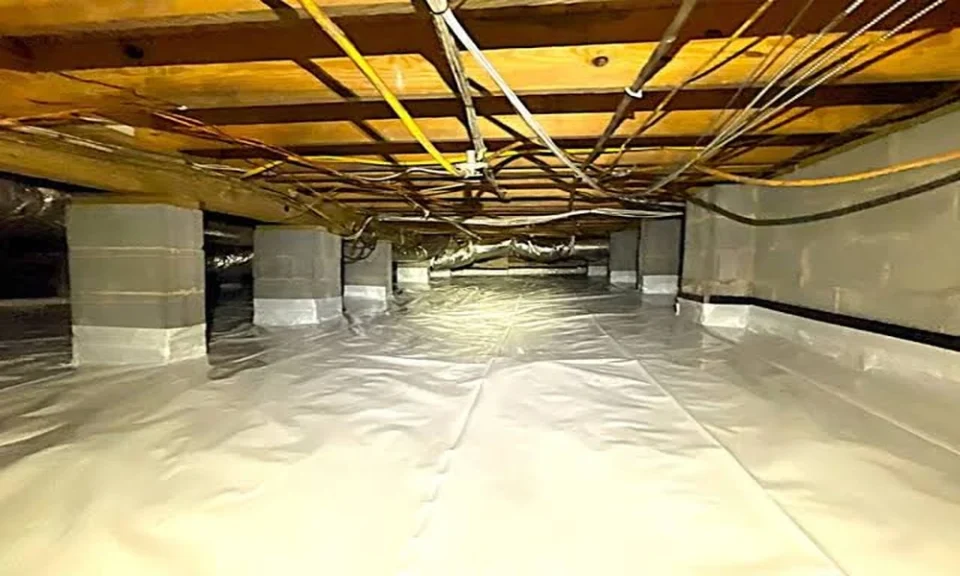
By most local estimates, roughly seven out of ten South Carolina houses sit on crawlspace foundations, more than in almost any other state. So for most families, nearly every supply line, drain and shutoff valve runs through a dark, damp gap about two feet high that hardly anyone ever goes into. Water heaters fail where people can see them. Crawlspace pipes fail where nobody looks.
That hidden space is behind more household water trouble than most people think. Plenty of calls for residential plumbing in Lexington County And Lexington end with a technician on his back under a floor joist, and the family-run crew at callsmoothwaters.com handles leak repairs, camera inspections and pipe replacement on homes like these all over the Midlands. The pattern is usually the same. The pipe itself was fine when it went in, and years in that environment wore it down.
The best way to see what a crawlspace does to plumbing is to follow it through a full year, because each season does its own damage.
Summer Turns Cold Pipes Into Dripping Pipes
The trouble starts with heat and humidity rather than cold. In July, air coming through the foundation vents is hot and heavy with moisture. It hits a cold water line running about 60 degrees, and the moisture condenses on the pipe the way it beads up on a glass of iced tea. The pipe sweats all summer.
One drop doesn’t do much. Months of steady dripping soak the insulation under the floor, darken the wood along the joists, and keep a strip of soil wet right under the line. Homeowners usually find out from a musty smell or a soft spot in the floor and assume it’s a leak. Often nothing is leaking at all. It’s condensation, and it keeps happening as long as the crawlspace stays humid.
Clemson researchers were documenting this decades ago. A 1989 survey of thousands of South Carolina households found that more than two thirds reported moisture problems in their homes, and plumbing leaks and poorly installed vapor barriers were among the causes they identified.
Fall Is the Season to Crawl Under There
Fall is the most comfortable time to go under the house. The bugs have thinned out and the dirt is dry. A careful look now heads off most winter surprises. Go with a good flashlight and, ideally, a second person standing by the access door.
- Shine the light along every supply line and look for green crust, white mineral trails or rust where joints come together.
- Check the drain lines under each bathroom and the kitchen for damp soil or stains directly below the fittings.
- Look for sagging pipes. Hangers can rust or slip, and a drain line that sags holds water and waste in the low spot.
- Make sure the vapor barrier covers the soil completely, with no torn sections or bare dirt showing.
- Look for droppings, chewed foam or shredded insulation, which mean rodents have been nesting near the pipes.
- Find the main shutoff valve and turn it once so you know it still moves.
Take photos of anything that looks wrong. When you call a plumber, a picture of the crusty fitting gets you a far better answer than describing it over the phone.
Winter Hits Hardest When Nobody Expects It
The Midlands rarely gets hard freezes, and that’s exactly why they cause so much damage. Northern homes are built for cold. Here, the house isn’t built for it and the owners aren’t expecting it.
Clemson’s Home and Garden Information Center points out that buried water lines in South Carolina are rarely at risk, since the frost line is only a few inches deep and most pipes run at least a foot underground. Exposed pipes under the house are a different story. The Clemson guidance on preventing pipe freezing explains that pipes under homes here usually aren’t insulated, because builders count on heat coming down through the floor. During a single-digit cold snap with wind blowing through open foundation vents, that heat isn’t enough.
The lines most at risk are the ones closest to the outside walls, especially near hose bibs, open vents, or a crawlspace door that doesn’t close tightly. Copper splits along its length when it freezes. PEX holds up better but can still break at the fittings. Older homes may still have polybutylene, the gray plastic pipe common in the 1980s and 1990s, which was already prone to failing before it ever froze.
When a cold snap is in the forecast
Close or cover the foundation vents and make sure the crawlspace door is shut tight. Leave a slow trickle running at the faucets farthest from where the water enters the house. Disconnect garden hoses, and wrap any pipes near the outside walls with foam sleeves. Once the temperature is back above freezing, check under the house before you assume everything is fine, because a split pipe can stay frozen shut and then start leaking hours after the thaw.
Spring Rain Finds the Low Spots
By April, the heavy Midlands storms bring water in from outside. Red clay doesn’t drain well, and a yard that slopes toward the house sends runoff right into the crawlspace. Standing water around pipe hangers rusts them faster. Constant moisture against cast iron drains speeds up the corrosion that was already working on them from the inside.
Cast iron drain lines deserve a closer look in any home more than forty years old. They usually rot from the inside, along the bottom of the pipe where water flows, and the outside can look fine until a crack lets sewage seep into the soil. A camera inspection shows the inside of the drain without cutting anything open, so you can find out whether you need a short repair or full replacement before the damage spreads.
Making the Space Less Hostile
Fixing the crawlspace itself protects the pipes running through it. There are several approaches, and they cost very different amounts.
The simplest is a new, thicker vapor barrier laid over all the soil, with overlapping seams and the edges run up the foundation walls. A step beyond that is fixing grading and gutters so rainwater flows away from the house. The full approach is sealing the crawlspace completely, closing off the vents and controlling humidity with a dehumidifier or a small supply of conditioned air. A number of Southeastern building scientists argue that sealed crawlspaces control moisture better in this climate than vented ones, which tend to bring humid summer air right in.
Whichever route you take, it’s worth fixing the plumbing first. Sealing a crawlspace over a slow leak only hides it. And if the house still has polybutylene or badly corroded galvanized pipe, it makes sense to replace it before new insulation or encapsulation goes in, while the space is easy to work in.
Most homeowners go into the crawlspace once, when they buy the house, and not again until something goes wrong. Going down there once a year costs you an hour and a dirty shirt, and it can save you from a ruined floor.
