

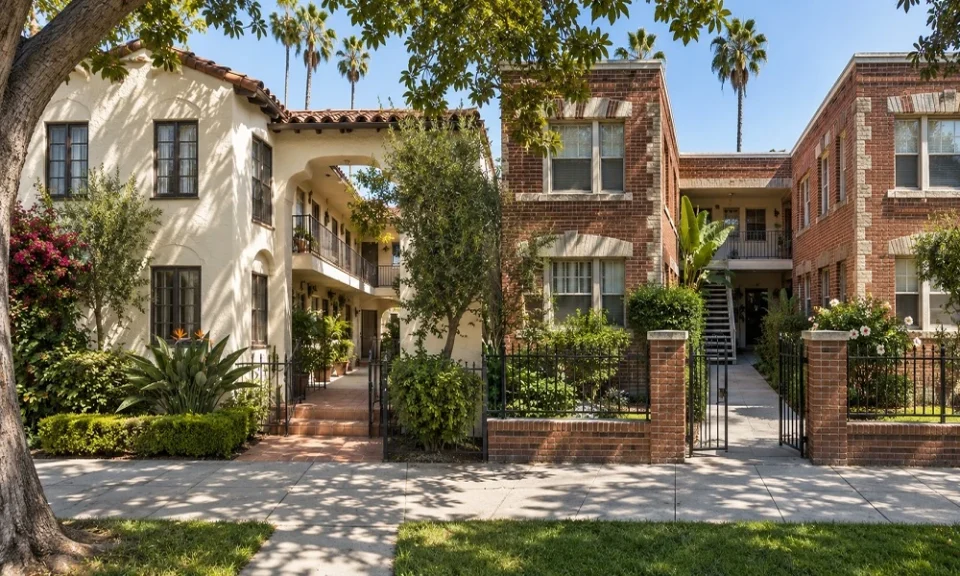
A January budget can be wrong even when the rent increase is right. Consider an apartment renting for $2,000 a month. A 3% increase adds $60 a month. Enter $720 in the annual budget, and the sheet assumes twelve payments at the new rent. If the first eligible payment falls in April, the increase contributes $540 for the calendar year, assuming every payment arrives. The missing $180 is a timing error an owner can catch before setting a spending plan.
Start with the address and the effective date
For eligible apartments covered by the City of Los Angeles Rent Stabilization Ordinance, the city lists a 3% annual allowable increase for July 1, 2026, through June 30, 2027. Check the property’s coverage, the last increase, the notice requirements and the proposed effective date against the Los Angeles Housing Department’s allowable rent increase bulletin. Treat July 2027 onward as a separate planning period and verify the rate applicable to any increase taking effect then.
A Los Angeles mailing address alone cannot settle that question. The county rent stabilization program publishes a different schedule for covered units in unincorporated areas. Other cities can have their own rules. Record the jurisdiction beside the street address in the workbook. That small field becomes especially important when one manager prepares budgets for several buildings with similar addresses.
When discussing multifamily real estate with The Jordan Group, bring the unit-level worksheet alongside the building total. It lets an owner and broker discuss whether the income figure describes rent already being collected, an increase scheduled for a particular month, or a possibility still awaiting verification.
A three-apartment working budget
Assume three occupied city apartments, each with a $2,000 monthly base rent. For illustration, management has confirmed that A and B qualify on the dates shown and that all required notices will be effective. Unit C has incomplete records. Each household stays through December and pays in full. No further increases are assumed.
| Apartment | First month at new rent | Additional 2027 rent |
| A | January | 12 × $60 = $720 |
| B | April | 9 × $60 = $540 |
| C | Pending verification | $0 budgeted |
The three units begin with $72,000 in combined annual rent. The two scheduled changes bring budgeted rent to $73,260. Applying 3% to the whole building on January 1 would have produced $74,160. The $900 gap consists of three extra months credited to B and a full year credited to C. Anyone reviewing the sheet can now trace that gap to two entries.
Give uncertainty its own column
For C, write down the missing item and who can resolve it. Perhaps the file contains two unsigned versions of a prior notice. Ask the manager to locate the final copy and evidence of service. Until the effective date is established, keep the current rent in the working budget. If the information arrives later, change the relevant months and preserve the original forecast for comparison.
Keep operating costs on their own lines. Suppose an insurance renewal raises the annual premium by $1,500. Even with the two increases, the building has $240 less operating income than before, all else equal. If the policy renews during the year, enter the new premium in the months it actually covers. The same timing discipline works on both sides of the ledger.
Check collections when the quarter closes
At the end of March, compare each scheduled charge with the rent ledger and the cash received. A payment made in early April can explain a March cash shortfall while leaving the underlying rent schedule intact. A credit issued for a billing error tells a different story. Give each adjustment a short note so the next person opening the workbook can follow what happened.
Save a dated copy when the first quarter closes. Keep the original annual estimate, actual receipts to date and updated full-year forecast side by side. That layout lets an owner answer a practical question before authorizing a repair or discussing a sale. How much of the expected increase has reached the bank, and how much still depends on future payments?
Add a second view that groups apartments by first eligible month. A manager can use it to see when to revisit pending records. For the owner, it also explains why the December rent roll, multiplied by twelve, would overstate the income actually earned during this transition year.
Before adopting the 2027 budget, have the manager verify each eligible date and identify pending items by unit. If a sale is under consideration, request a property evaluation from The Jordan Group using that dated rent schedule. A buyer reviewing the figures can then see exactly how much income the building collects today and when the remaining changes are expected.
