

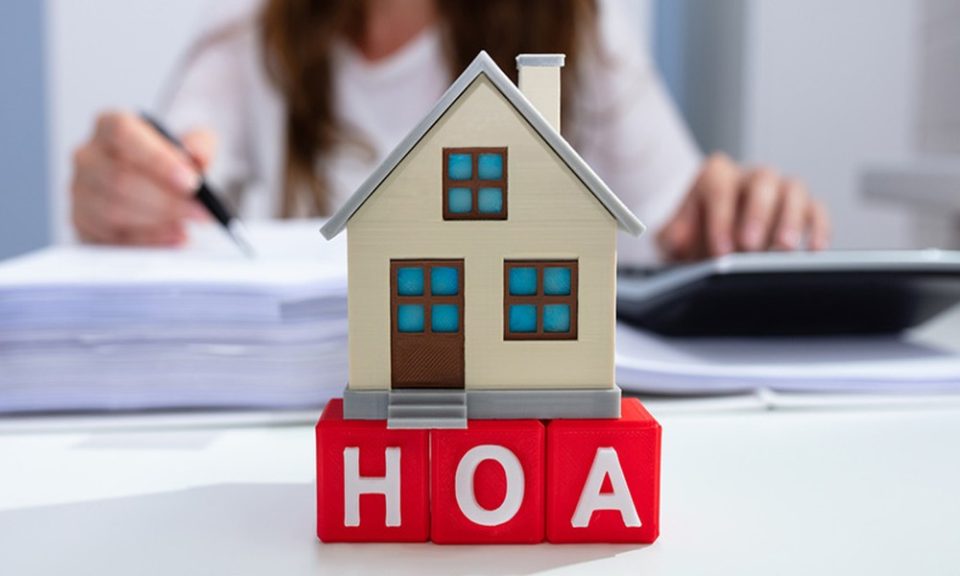
The Complexity of HOA Governance
Homeowners’ associations (HOAs) are tasked with balancing governance, compliance, and resident satisfaction. Board members often act as both policymakers and administrators, managing everything from financial oversight to dispute resolution.
Yet, governance challenges persist. Manual systems, fragmented communication, and inconsistent record-keeping often undermine the effectiveness of HOA boards. These gaps manifest in delayed decision-making and weakened accountability. For example, when records are scattered across paper files or multiple spreadsheets, boards struggle to enforce rules consistently. Residents may perceive favoritism or bias, fueling disputes.
Common Governance Challenges
Compliance Risks
Without centralized records, HOAs risk missing deadlines or failing to meet state requirements. Incomplete documentation can expose associations to fines or legal challenges.
Resident Disputes
Unclear communication often leads to misunderstandings. When residents feel uninformed, they may assume bias or mismanagement, escalating disputes unnecessarily.
Administrative Overload
Board members frequently volunteer their time. Manual systems increase the burden, leaving less room for strategic planning and community development.
Limited Transparency
When residents cannot easily access records or updates, trust erodes. Transparency is essential for building confidence in leadership decisions.
Digital Solutions for Governance
Streamlining Operations
Technology offers a way forward. Digital platforms streamline governance by:
- Centralizing records for compliance and audits.
- Automating processes like dues collection and reporting.
- Improving communication with residents through portals.
- Enhancing transparency with accessible financial and policy documents.
Building Sustainable Systems
Digital adoption reduces reliance on manual processes, ensuring continuity even when board members change. Automated workflows minimize errors, while secure archives protect records for future audits.
Lessons From Georgia Communities
Communities in Georgia, where HOAs are integral to suburban life, are beginning to embrace these solutions. Their experiences highlight how digital adoption helps boards overcome governance challenges while building stronger, more transparent communities. As noted in a perspective on HOA governance in Georgia, technology ensures that associations can meet compliance requirements while fostering resident trust.
These examples reinforce the idea that digital platforms are not simply conveniences – they are essential tools for effective governance.
The Governance-Trust Connection
Transparency as a Foundation
Effective governance builds trust. When residents see clear policies, transparent finances, and responsive leadership, they are more likely to support board initiatives. Digital platforms make this possible by reducing ambiguity and ensuring accountability.
Consistency and Visibility
Trust also depends on consistency and visibility. When residents can access meeting minutes, policy updates, and financial reports online, they feel included in the governance process. This transparency reduces suspicion and strengthens cooperation.
Moreover, digital systems allow boards to demonstrate fairness by applying rules uniformly and documenting decisions clearly. Over time, this builds a culture of trust where residents view the HOA not as a distant authority but as a reliable steward of community well-being.
Overcoming Barriers to Adoption
Challenges to Implementation
Some HOAs hesitate to adopt digital platforms due to cost concerns or resistance to change. Others worry about technical expertise among board members.
Practical Pathways
- Training and support programs ease the transition.
- Long-term savings from reduced administrative overhead often outweigh initial investments.
- Resident demand for transparency creates natural momentum for modernization.
By addressing these barriers proactively, associations can ensure smoother transitions and maximize the benefits of digital governance.
Conclusion
HOA governance is complex, but digital tools simplify the process. By addressing compliance, communication, and transparency challenges, technology ensures that associations can govern effectively and build trust with residents. Communities that embrace digital platforms position themselves for long-term success, creating neighborhoods that are not only well-managed but also collaborative and resilient.
