

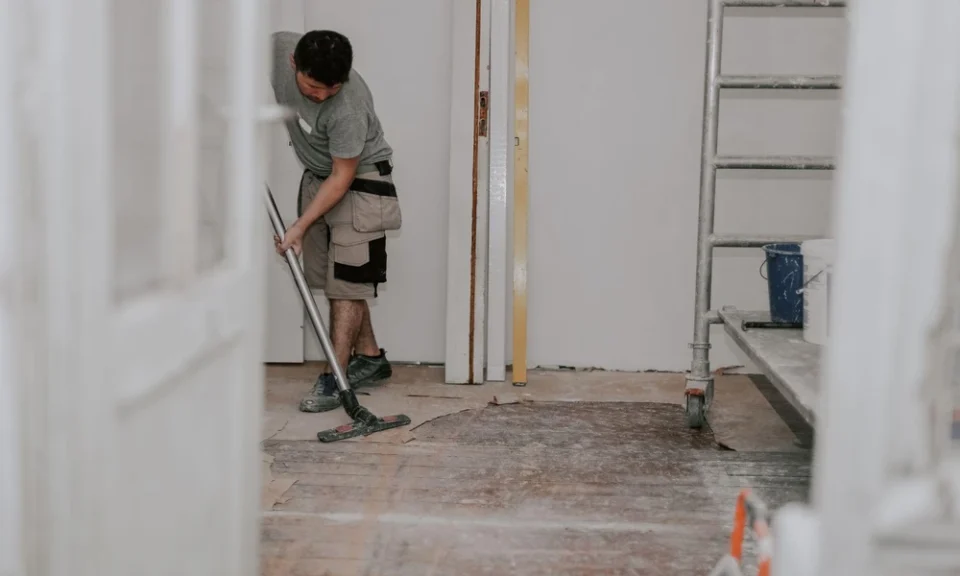
Renovation work can leave behind dust, fine particles, packaging, residue and marks across a property. Even after contractors have completed their work, rooms may require careful cleaning before furniture and household items return. Planning post-renovation house cleaning early can help homeowners organise the final stage of preparation. Families considering deep cleaning services in Singapore should also review the property’s condition and the exact cleaning tasks required.
1. Assess the Renovation Residue
Start by looking at the condition of the property after renovation work has finished. Dust may settle on floors, shelves, windows, doors and other surfaces, while small amounts of residue may remain around renovated areas.
Different renovation activities can create different cleaning needs. Carpentry, painting, drilling and flooring work may leave different types of dust or marks.
Homeowners should inspect the property room by room and identify areas requiring attention. This gives the cleaning provider useful information when discussing post-renovation house cleaning and helps ensure that important areas are not overlooked.
2. Confirm That Renovation Work Is Finished
Cleaning should generally take place after the relevant renovation work has been completed. If contractors are still cutting, drilling, painting or installing fixtures, additional dust and debris may appear after the cleaners leave.
Ask the renovation team when its work will be completed and allow time for the property to settle before scheduling the cleaning service.
If minor work remains, discuss the timing with the cleaning provider. Coordinating these stages can reduce unnecessary repeat cleaning.
3. List the Areas That Need Attention
Create a room-by-room list before requesting a quotation. Include bedrooms, living areas, bathrooms, kitchens, balconies and other relevant spaces.
Think about surfaces that may have collected dust during the renovation. Floors, windows, ledges, doors, cabinets and fixtures may need different levels of attention.
Homeowners should also identify any specific cleaning concerns. If a particular material or surface requires careful treatment, mention it before the service begins.
A detailed list can help when comparing deep cleaning services in Singapore because providers can assess the same requirements rather than making assumptions about the property.
4. Check Access to the Property
Cleaning teams need suitable access to the rooms and surfaces they are expected to clean. Before the appointment, remove obstacles where possible and ensure that cleaners can enter the relevant areas.
If renovation contractors are still storing materials inside the property, ask when these items will be removed. Furniture installation should also be considered because it can affect access to floors, walls and other surfaces.
If the property is part of a managed development, homeowners may need to consider building access arrangements, loading areas or lift procedures. Clarifying these details early can help avoid delays.
5. Review Equipment and Cleaning Methods
Renovation residue may require different cleaning tools from routine household maintenance. Ask what equipment the cleaning team will bring and what methods are suitable for the surfaces in your home.
Do not assume that stronger cleaning products are always appropriate. Certain finishes can be damaged by unsuitable products or abrasive methods.
Homeowners should identify newly installed surfaces and provide relevant information where necessary. This can help the cleaning team choose an appropriate approach.
When assessing deep cleaning services in Singapore, ask how the provider handles post-renovation dust and residue rather than relying on the general description of deep cleaning.
6. Plan the Cleaning Before Moving In
If possible, schedule cleaning before furniture, appliances and personal belongings fill the property. An empty or lightly furnished home can provide easier access to floors, corners and other areas.
This can also simplify the final inspection. Homeowners can walk through the property after cleaning and identify areas requiring additional attention before unpacking.
If furniture must arrive first, coordinate the timing carefully so cleaners can still access the areas included in the service.
7. Clarify the Final Service Scope
Before confirming post-renovation house cleaning, ask for a clear description of the agreed work. Check the number of rooms, included surfaces, expected duration and any exclusions.
Specialised work may require separate arrangements, so ask if the service covers the specific residue or marks present in the property.
A detailed quotation can help homeowners understand the planned work and compare different providers more accurately.
Preparation Checklist
Before the cleaning appointment:
- Confirm that renovation work has finished
- Inspect each room for dust and residue
- List the surfaces and areas requiring attention
- Arrange access to the property
- Identify newly installed or delicate surfaces
- Ask about suitable equipment and cleaning methods
- Schedule cleaning before unpacking where practical
Planning post-renovation house cleaning carefully can make the transition from construction to everyday living more organised. Homeowners should provide accurate information about the property and clarify the cleaning scope before work begins.
When comparing deep cleaning services in Singapore, look at the specific tasks, equipment, timing and preparation requirements rather than the service name alone. A detailed discussion can help homeowners understand what the cleaning team can address and what may require separate treatment.
Contact Doctor Clean to discuss post-renovation house cleaning and plan the final cleaning stage before moving into your renovated home.
