

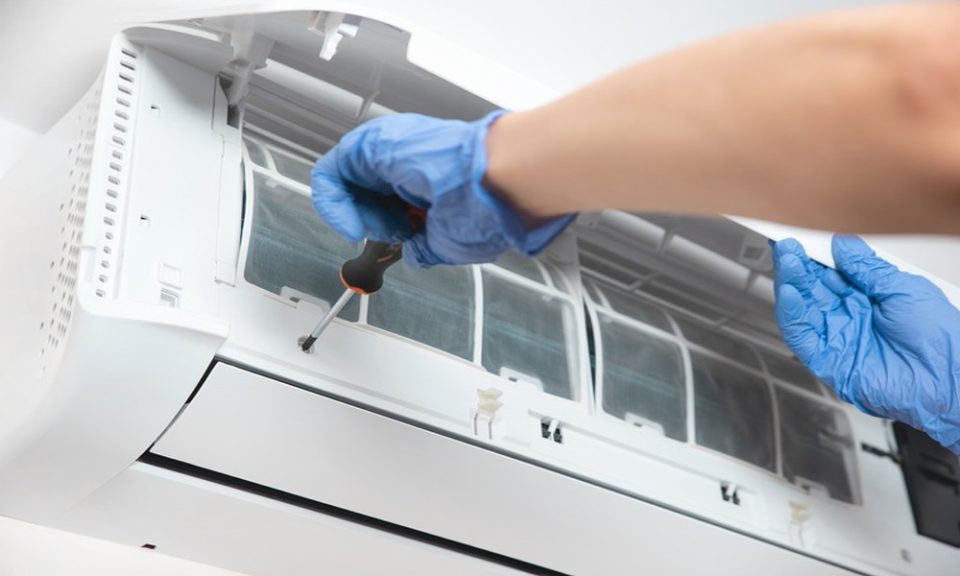
It’s easy to overlook something as small as an air filter-until your energy bills spike, your home feels uncomfortable, or your HVAC system starts acting up. Many homeowners focus on big repairs or upgrades, but the truth is, one of the most impactful maintenance steps begins with a simple filter change. It’s a small habit that delivers big results.
Regular HVAC maintenance doesn’t have to be complicated. In fact, understanding the reasons to change your air filter can help you prevent costly breakdowns, improve indoor air quality, and extend the life of your system-all without major effort.
The Hidden Role of Your HVAC Air Filter
Your air filter does more than just trap dust. It acts as the first line of defense for your HVAC system, capturing airborne particles like pollen, pet dander, and debris before they circulate through your home.
When the filter is clean, airflow remains smooth and efficient. But when it becomes clogged, your system has to work harder to push air through. This added strain affects performance, energy usage, and even long-term durability.
Many homeowners don’t realize that a dirty filter can silently impact every part of their HVAC system. It’s not just about cleanliness-it’s about efficiency and protection.
Why a Simple Filter Change Matters More Than You Think
One of the main reasons to change your air filter regularly is to maintain consistent airflow. When airflow is restricted, your system struggles to regulate temperature, leading to uneven cooling or heating throughout your home.
This inefficiency often results in longer run times. Over time, that means higher energy bills and unnecessary wear on key components like the blower motor and compressor.
A clean filter also helps maintain proper air pressure within the system. When pressure becomes unbalanced due to blockages, it can lead to mechanical issues that require professional repairs.
Energy Efficiency Starts with Clean Airflow
Energy efficiency is one of the most immediate benefits of replacing your air filter. When air moves freely, your HVAC system operates at its intended capacity, using less energy to achieve the same results.
In contrast, a clogged filter forces the system to compensate by working harder. This not only increases electricity consumption but also reduces overall system efficiency.
Studies and industry insights consistently show that even a partially blocked filter can reduce HVAC efficiency significantly. That’s why experts often highlight this as one of the most practical and cost-effective maintenance steps homeowners can take.
Improved Indoor Air Quality for Healthier Living
Indoor air quality has become a growing concern, especially as people spend more time indoors. Your HVAC filter plays a crucial role in maintaining clean, breathable air.
When filters are dirty, they lose their ability to trap contaminants effectively. Dust, allergens, and pollutants can then circulate freely, potentially affecting respiratory health.
Regular replacement ensures that your system continues to filter out harmful particles, creating a healthier living environment for you and your family.
Extending the Lifespan of Your HVAC System
Your HVAC system is a long-term investment, and like any investment, it requires proper care. One of the simplest ways to protect it is by keeping the air filter clean.
When airflow is restricted, internal components experience more stress. Over time, this can lead to overheating, reduced performance, and premature failure.
By changing the filter regularly, you reduce the strain on the system. This helps extend its lifespan and minimizes the likelihood of unexpected breakdowns.
Preventive maintenance always costs less than major repairs or full system replacements.
How Often Should You Change Your Air Filter?
While the frequency depends on factors like usage, household size, and indoor air conditions, most experts recommend checking your filter every month and replacing it every one to three months.
Homes with pets, allergies, or higher dust levels may require more frequent changes. The key is consistency. Regular checks ensure that your filter never reaches the point where it affects performance.
Pay attention to signs like reduced airflow, increased dust, or unusual system behavior. These can indicate that your filter needs immediate replacement.
Making Filter Changes Part of Your Routine
One of the easiest ways to stay on top of HVAC maintenance is to make filter changes part of your routine. Set reminders or align it with monthly household tasks.
This small habit can make a significant difference in how your system performs over time. It also gives you an opportunity to monitor your HVAC system and catch potential issues early.
Consistency is what turns a simple task into a powerful maintenance strategy.
Conclusion: Small Step, Big Impact
A simple filter change might seem minor, but its impact is far-reaching. From improving energy efficiency to enhancing indoor air quality and preventing costly repairs, this small action plays a critical role in maintaining your HVAC system.
Understanding the reasons to change your air filter empowers you to take control of your home’s comfort and efficiency. It’s a straightforward step that delivers long-term benefits without requiring significant time or effort.
