

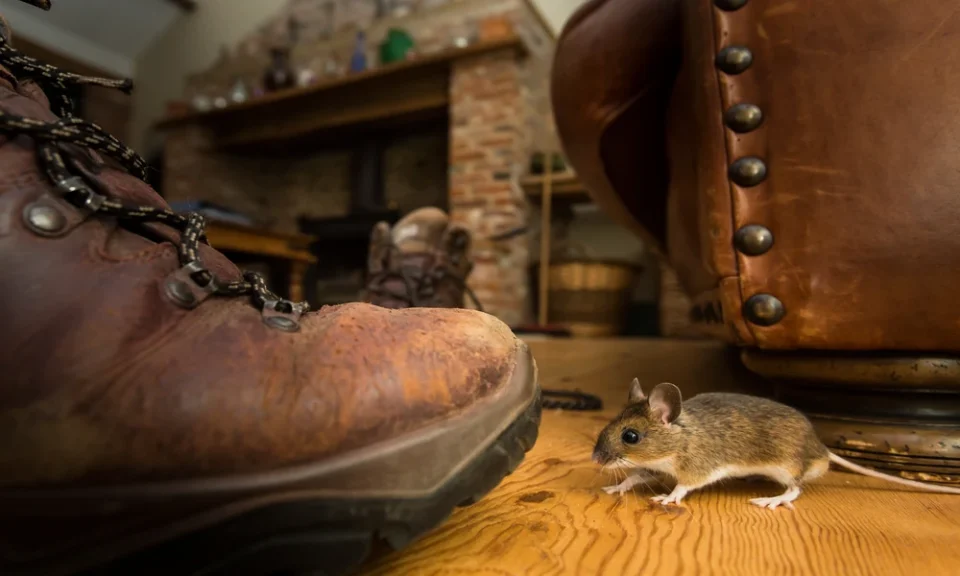
Rodents do more than pass through a house looking for food. Once rats or mice find a reliable way in, they start using the place to nest, feed, and move around. That entry can become an ongoing problem if the rodents find food and shelter inside. Knowing when to call for rat and mouse control services can help homeowners deal with it before the signs get harder to ignore.
Central Florida gives rodents plenty of cover. Attics, garages, wall cavities, sheds, and roof spaces shelter them from weather and predators. Roof rats are commonly encountered around Florida homes, and they are strong climbers. They use trees, fences, and utility lines to reach a roofline before slipping into an attic or soffit. Mice need less room and fit through much smaller gaps.
You Notice the Signs Before the Rodent
Rodents are usually active when the house is quiet, so most homeowners notice the signs before they see the animal.
- Droppings along the routes rodents travel or near food
- Gnaw marks on packaging, stored items, wood, or wiring
- Nesting material gathered in attics, corners, or storage
- Scratching or movement inside walls and ceilings at night
- A stale, musty odor where rodents spend time
Several of these signs in the same area can point to ongoing rodent activity.
Quiet Spaces Turn Into Nests
A quiet attic or a crowded garage matters once rodents move in. Paper, insulation, cardboard, and fabric can become nesting material, while stored boxes provide additional cover. Also, stored boxes add cover. Roof rats favor attics, soffits, hollow walls, and outbuildings. Mice tuck in behind walls and inside cabinets. Because the nest is often somewhere people rarely go, the problem can grow while the signs show up elsewhere in the house.
Rodents do not need much food to stay. Pantry goods, pet food, birdseed, fallen fruit, garbage, and crumbs all keep them coming back. A mouse chews into a pantry box. A rat runs between an outdoor food source and a nest inside. Sealing food and cleaning up can reduce the attraction, but those steps do not remove an established infestation.
Gnawing is the more serious change. Rats and mice have to wear their incisors down, so they chew what they pass along their routes.
- Electrical wiring
- Insulation and wood
- Plastic and pipes
- Stored belongings
In an attic, damaged electrical wiring can create a fire hazard, while damage to insulation or wood can add to repair costs.
The Rodent You Notice Lives Somewhere Else
Rodents rarely stay in one spot. They move between shelter, food, and water through gaps and hidden spaces, so where you see one is not always where it lives. A scratching sound over a bedroom does not mean the rodent came in through the bedroom. Droppings in the garage do not mean it nests there. The route may run through an attic, a wall cavity, or the roofline. That is why finding the entry point matters as much as removing the animal, and UF/IFAS notes that keeping rodents out is easier than getting them out once they are established.
What Homeowners Can Check
You can look for changes without handling the rodent yourself. Check accessible spots for fresh droppings, gnaw marks, disturbed insulation, nesting material, and gaps around doors and utility lines. Look at tree limbs that touch or overhang the roof, since roof rats use them to reach the house. Keep food, pet supplies, and garbage secured. Signs that keep appearing in the same area matter more than one odd mark, because they suggest the property is giving the rodents something they use.
When Cleanup Is Not Enough
Clearing droppings and putting food away can remove some of what attracts rodents, but those steps do not show where they are getting in or whether they have already nested. Avata Pest Control approaches rodent problems by looking at signs of current activity and the ways rodents are accessing the property. The goal is not just to remove what homeowners can see, but to identify how rodents are using the home and address the conditions that allow the problem to continue.
