

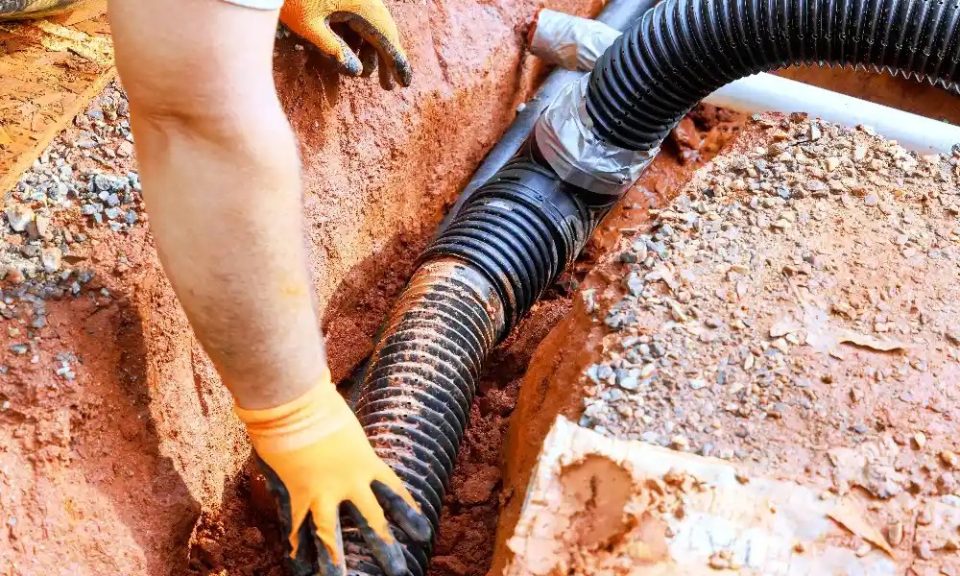
Blocked drains are one of the most common plumbing problems homeowners face, yet many issues begin with simple mistakes that often go unnoticed. From pouring grease down the sink to relying too heavily on chemical cleaners, everyday habits can gradually damage household drainage systems and lead to expensive repairs. Many homeowners only realize there is a problem once water starts draining slowly or unpleasant odours begin spreading through the property.
Professional expert plumbers regularly deal with drainage problems that could have been prevented with better maintenance and awareness. In many homes, small drain issues are ignored until they develop into serious blockages or sewer line complications. Understanding the most common drain cleaning mistakes can help homeowners protect their plumbing systems, reduce repair costs, and keep water flowing properly throughout the home.
Pouring Grease and Oil Down the Sink
One of the biggest mistakes homeowners make is pouring cooking grease, fats, and oils directly into kitchen sinks. While these substances may appear harmless when hot, they quickly cool and harden inside pipes. Over time, sticky grease traps food particles and creates stubborn blockages that restrict water flow.
Kitchen drains are particularly vulnerable because grease buildup develops gradually. Homeowners may not notice the issue until sinks begin draining slowly or backing up completely. Even hot water cannot fully prevent grease from solidifying deeper inside the plumbing system.
Instead of pouring grease into drains, it is better to let it cool and dispose of it in a sealed container. Small changes like this can significantly reduce long-term plumbing problems.
Using Chemical Drain Cleaners Too Often
Many people turn to chemical drain cleaners as a quick fix for blocked pipes. While these products may temporarily clear minor clogs, repeated use can damage plumbing systems over time. Strong chemicals generate heat that may weaken older pipes, corrode metal components, and damage seals within the drainage system.
Professional expert plumbers often find that chemical cleaners only remove part of the blockage while leaving larger debris trapped further down the line. In some cases, chemical products make future repairs more difficult because of pipe deterioration.
Safer alternatives include using drain strainers, flushing drains with hot water occasionally, and scheduling professional drain cleaning when needed. Mechanical cleaning methods are generally more effective and far less damaging than repeated chemical treatments.
Flushing the Wrong Items Down Toilets
Toilets are designed to handle only human waste and toilet paper. However, many homeowners flush items that should never enter the plumbing system. Wet wipes, paper towels, cotton pads, sanitary products, and even certain “flushable” wipes can create severe blockages within household drains and sewer lines.
Unlike toilet paper, many disposable products do not break down properly in water. They can become tangled within pipes and trap other waste materials, creating difficult obstructions that require professional removal.
Common items that should never be flushed include:
- Wet wipes and baby wipes
- Cotton buds and cotton pads
- Paper towels and tissues
- Dental floss
- Cooking grease or food scraps
- Feminine hygiene products
- Cat litter
Avoiding these items can help prevent emergency plumbing situations and reduce pressure on household drainage systems.
Ignoring Early Warning Signs
Many drain problems begin with small warning signs that homeowners often overlook. Slow drainage, bubbling sounds, unpleasant smells, and occasional backups usually indicate developing blockages somewhere within the system. Ignoring these early symptoms allows problems to worsen gradually.
A partially blocked drain may eventually lead to overflowing sinks, burst pipes, or sewer backups if left untreated. Water damage from plumbing failures can become extremely costly, especially if leaks spread into walls or flooring.
Professional inspections can often identify the source of the issue before major repairs become necessary. Many expert plumbers recommend addressing minor drainage concerns quickly rather than waiting for complete blockages to occur.
Attempting DIY Repairs Without Proper Tools
Online tutorials have encouraged many homeowners to attempt drain cleaning themselves. While basic maintenance can be helpful, using improper tools or aggressive techniques often causes more harm than good. Metal rods, makeshift hooks, and excessive force may scratch pipes, loosen joints, or push blockages deeper into the drainage system.
Some homeowners also misuse rented drain snakes or pressure-cleaning equipment without understanding how different plumbing systems operate. Older pipes, particularly clay or ageing metal lines, can become damaged during improper cleaning attempts.
Professional plumbers use specialized inspection cameras and equipment designed to remove blockages safely while protecting the pipe structure. This approach reduces the risk of accidental damage and helps identify underlying issues that may not be visible from the surface.
Neglecting Outdoor Drains and Sewer Lines
Indoor plumbing often receives more attention than outdoor drainage systems, but external drains play an equally important role in protecting residential properties. Leaves, dirt, tree roots, and garden debris can slowly clog outdoor drains and sewer lines.
Tree roots are especially problematic because they naturally seek moisture and can enter tiny cracks within underground pipes. Once inside, roots continue growing and restrict water flow significantly. This type of blockage can eventually cause sewage backups or structural pipe damage.
Homeowners should periodically inspect outdoor drains, especially after heavy rainfall or seasonal changes. Keeping gutters, grates, and drainage areas clear can help prevent larger plumbing complications later.
Overloading Garbage Disposals
Garbage disposals are useful kitchen appliances, but they are not designed to process every type of food waste. Fibrous vegetables, coffee grounds, eggshells, pasta, rice, and large food scraps can clog both the disposal unit and connected pipes.
Certain foods expand when exposed to water, increasing the likelihood of blockages deeper in the drainage system. Grease combined with food waste can create particularly stubborn obstructions that are difficult to remove without professional assistance.
To reduce strain on kitchen drains, homeowners should dispose of food waste gradually and avoid placing difficult materials into the disposal unit. Running cold water during operation also helps flush debris through the pipes more effectively.
Skipping Routine Maintenance
One of the most preventable mistakes is failing to maintain drains regularly. Many homeowners only think about plumbing when a problem appears, but preventative care can significantly extend the life of drainage systems.
Simple maintenance habits include cleaning drain covers, removing visible debris, flushing kitchen drains carefully, and scheduling occasional inspections. Professional cleaning can remove hidden buildup before it develops into serious blockages.
Routine maintenance also helps identify ageing pipes, leaks, or hidden structural issues early. Regular inspections performed by qualified expert plumbers can save homeowners from unexpected emergency repairs and costly water damage.
Conclusion
Drain problems rarely appear overnight. In most residential homes, blockages and plumbing failures develop slowly because of everyday habits that place unnecessary strain on the drainage system. Pouring grease into sinks, flushing unsuitable items, relying on harsh chemical cleaners, and ignoring warning signs are among the most common mistakes professionals encounter during service calls.
Preventative care remains the most effective way to protect household plumbing systems and avoid expensive repairs. Simple changes in daily habits, combined with regular inspections and responsible drain maintenance, can keep pipes functioning efficiently for years. When drainage issues do arise, seeking help from qualified professionals ensures problems are handled safely before they escalate into larger structural or sewer-related complications.
