

Key Takeaways
- Visual cleanliness does not equate to biological safety; pathogens often remain on surfaces that look shiny.
- DIY cleaning can sometimes spread germs rather than eliminate them if the wrong tools or techniques are used.
- Regular professional maintenance is more sustainable and effective than occasional deep cleans during health scares.
Introduction
Maintaining a truly hygienic environment is more complex than most people realise. While many believe that a quick wipe-down with a supermarket spray is sufficient, the reality is that deep hygiene requires specialised knowledge. Hiring a professional cleaning company in Singapore often reveals that common cleaning habits are not as effective as they seem. For instance, using the same cloth for multiple surfaces can actually lead to cross-contamination, spreading bacteria from the kitchen to the living room. Understanding the science behind hygiene is the first step toward creating a space that is truly safe for your family or employees.
1. If It Looks Clean, It Is Clean
The most common misconception is that a lack of visible dust or dirt means a surface is safe. However, the most dangerous threats are often microscopic. A standard cleaning company focuses on more than just the visible grime; they target the bio-films and bacterial colonies that thrive in cracks and on high-touch surfaces. Standard household cleaners often lack the potency to kill persistent viruses. To achieve a truly sterile environment, you need a combination of physical removal and chemical neutralisation that only a professional service can provide with precision and care.
2. Disinfection and Cleaning Are the Same Thing
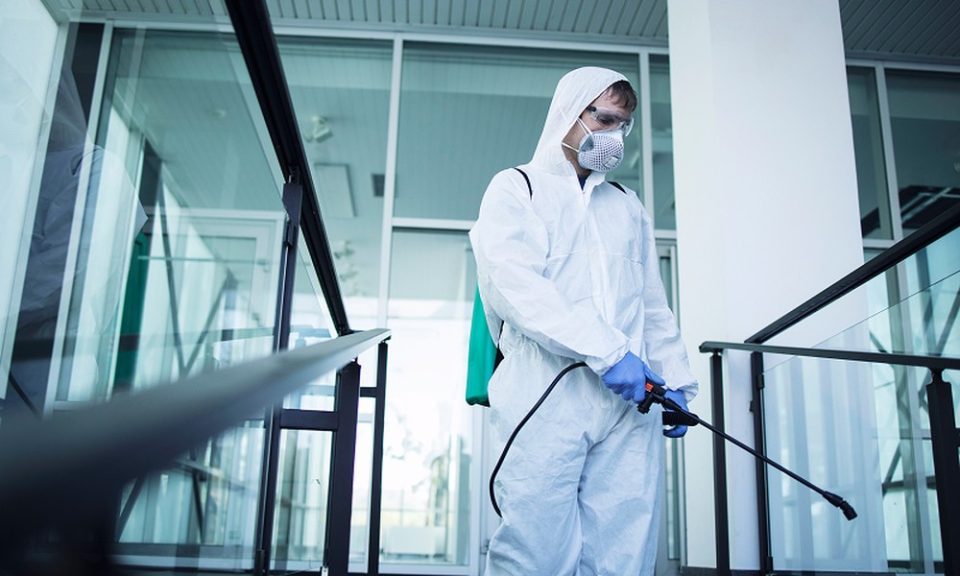
Many people use the terms “cleaning” and “disinfecting” interchangeably, but they are distinct processes. Cleaning involves the physical removal of dirt and organic matter, while disinfection services in Singapore are specifically designed to kill pathogens using chemical agents. If you disinfect a dirty surface without cleaning it first, the dirt can actually protect the germs from the disinfectant. Professionals follow a two-step process: they clean to remove the debris and then disinfect to ensure the area is safe. This dual approach is essential for high-traffic areas where germ transmission is a constant risk.
3. Professional Services Are an Unnecessary Luxury
There is a persistent idea that hiring professionals is only for those with large budgets. In reality, a professional cleaning company in Singapore provides a level of efficiency and effectiveness that saves money over time. When you consider the cost of purchasing various chemicals, mops, vacuums, and the time spent doing the work yourself, the value of a professional service becomes clear. Furthermore, professionals know how to treat delicate surfaces like marble or expensive upholstery, preventing the costly damage that often occurs when untrained individuals use the wrong cleaning agents.
4. You Only Need Specialised Services During an Outbreak
Waiting for someone to get sick before calling for disinfection services in Singapore is a reactive and risky strategy. True hygiene is a preventive measure. By scheduling regular sanitisation, you maintain a low microbial load in your environment, which significantly reduces the chances of a virus spreading in the first place. This is especially important in offices or homes with vulnerable individuals, such as children or the elderly. A proactive schedule ensures that your indoor environment remains a healthy sanctuary regardless of the season or external health trends.
Conclusion
Breaking away from common cleaning myths allows you to focus on what actually works. A professional cleaning company in Singapore provides the expertise and equipment needed to maintain a high standard of health. By understanding the difference between surface tidiness and true disinfection, you can better protect the people in your life. Regular professional care is the most reliable way to ensure a pristine and germ-free environment.
Contact Lifeline Cleaning to experience a new standard of professional hygiene today.
