

Selecting the right material for your home is a decision that balances aesthetic appeal with long-term functionality.
Among the many options available in the modern market, one particular solution has risen to prominence due to its remarkable ability to mimic natural textures while offering superior resistance to daily wear.
Homeowners often find themselves overwhelmed by the technical specifications and design variations available.
To ensure that your investment provides both beauty and durability, it is essential to evaluate several critical components before making a final purchase. Understanding these elements will help you create a sophisticated environment that stands the test of time.
1. Assessing the Thickness and Wear Layer Quality
The most important technical aspect of this material is the thickness of the top protective coating, often referred to as the wear layer. This transparent film determines how well the surface will resist scratches, scuffs, and stains over the years.
For areas with high foot traffic, such as entryways and hallways, a thicker wear layer is necessary to maintain the original appearance.
When you are browsing through various options of luxury vinyl tiles, checking these measurements is the first step in guaranteeing that the product is suitable for the specific demands of your household and lifestyle.
2. Exploring Design Versatility with Luxury Vinyl Tiles
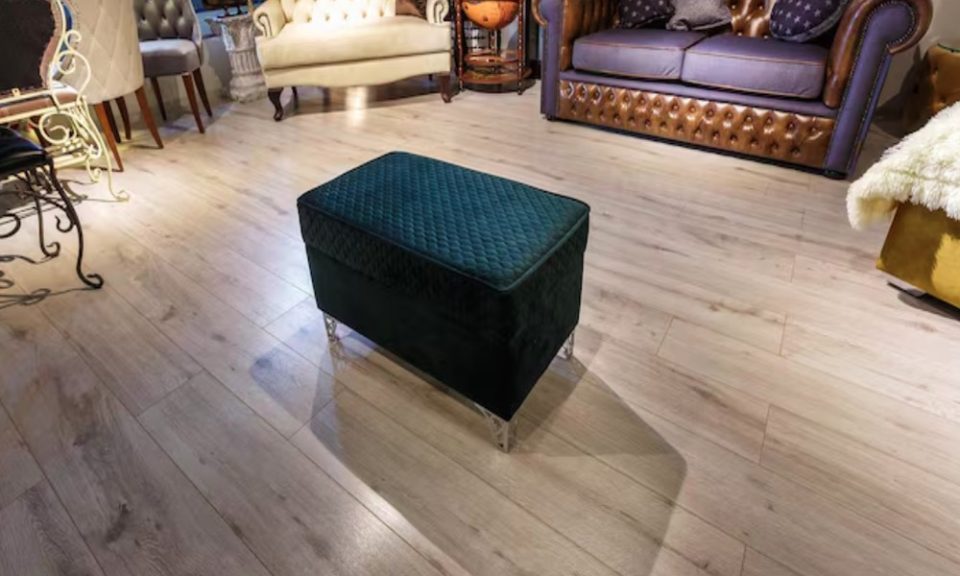
One of the primary reasons homeowners choose this product is the incredible range of visual styles it offers. High-definition printing technology allows for incredibly realistic replications of oak, walnut, marble, and slate.
When you integrate luxury vinyl tiles into your interior design, you can achieve the high-end look of expensive natural materials without the associated cost or maintenance difficulties.
It is important to look for products that feature a wide variety of unique patterns to avoid a repetitive look, ensuring that the finished floor appears as organic and authentic as possible.
3. Understanding Core Construction and Stability
The internal composition of the plank or tile significantly affects how it feels underfoot and how it reacts to environmental changes. There are two main types of rigid cores: stone plastic composite and wood plastic composite.
Stone-based cores provide exceptional indentation resistance and are ideal for areas with heavy furniture. On the other hand, wood-based cores offer a slightly softer feel and better sound insulation.
Selecting the right core for your lvt flooring ensures that the surface remains stable and level, preventing gaps or warping caused by fluctuations in temperature or moisture levels within the home.
4. Evaluating Waterproof Features for LVT Flooring
Traditional hardwood and laminate are often susceptible to damage in moisture-prone areas like kitchens, bathrooms, and basements. One of the greatest advantages of lvt flooring is its inherent resistance to water.
Most modern versions are completely waterproof, making them an ideal choice for every room in the house. This feature provides peace of mind against spills, leaks, and high humidity.
When researching your options, confirm that the locking mechanisms and materials are specifically rated for wet environments to ensure that your subfloor remains protected and dry for the duration of the product’s life.
5. Analyzing Installation Methods and Subfloor Preparation
The success of any renovation project depends heavily on the quality of the installation. Some products feature a click-lock system that allows for a floating installation, which is often faster and less messy.
Others require a glue-down application, which offers maximum permanent stability for larger open spaces. Regardless of the method, the underlying surface must be perfectly smooth and level.
A professional assessment of your current subfloor is necessary to determine if any patching or leveling is required before the new material is laid down, as any imperfections can eventually show through the surface.
