

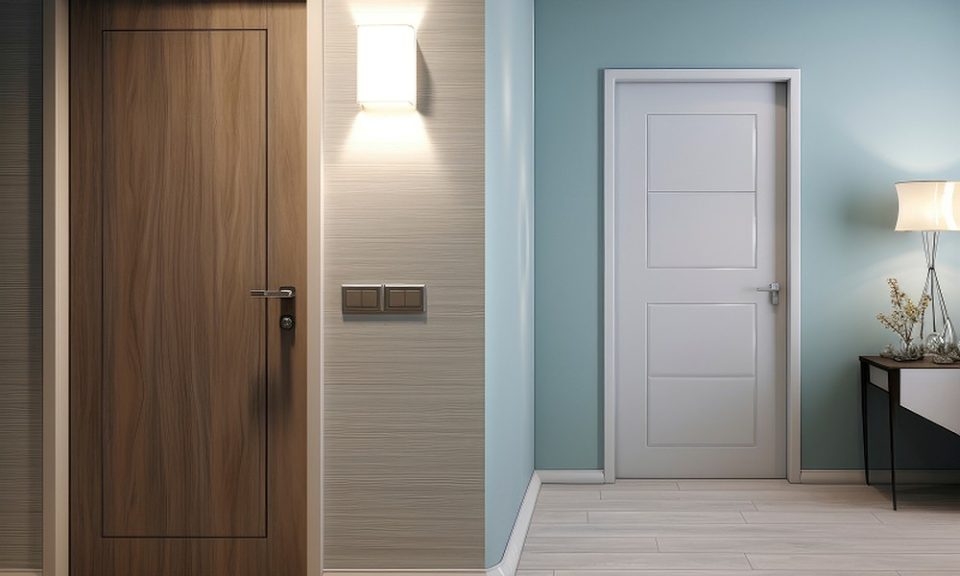
Key Takeaways
- Laminate doors offer low maintenance and consistent appearance over time.
- Solid wood doors provide weight and natural variation but need upkeep.
- Humidity resistance and cost differences influence long-term suitability.
Introduction
Choosing between a laminate bedroom door and solid wood doors often comes down to how each option fits daily routines, maintenance expectations, and long-term comfort. Many homeowners focus on appearance at the start, yet practical considerations tend to shape satisfaction over time, especially in a climate like Singapore where humidity plays a constant role. A door functions as more than a design element, as it affects sound control, ease of use, and durability through years of regular use. Understanding the differences between these materials helps ensure that the final choice supports both lifestyle needs and renovation goals without unexpected trade-offs or ongoing inconvenience.
1. Maintenance Requirements and Long-Term Care
Maintenance often becomes the deciding factor once initial installation is complete, as daily use gradually reveals how each material performs. Solid wood doors require periodic care to maintain their surface, which may include refinishing or resealing as the material ages and reacts to environmental conditions. This upkeep helps preserve their appearance but also demands time and attention that may not suit every household. In contrast, laminate doors maintain their finish with minimal effort, as their surfaces resist stains and scratches under typical household use. This difference becomes more noticeable over time, especially for households that prefer low-maintenance solutions that do not require frequent upkeep.
2. Weight and Everyday Handling
The physical weight of a door influences how it feels during everyday use and how easily it integrates into daily routines. Solid wood doors tend to feel heavier and more substantial, which some homeowners associate with durability and long-term reliability. However, this weight can also affect ease of handling, particularly for children or older individuals who may prefer smoother movement. A laminate bedroom door usually offers a lighter structure, which allows more effortless opening and closing without placing additional strain on hinges or frames. This balance can make a noticeable difference in homes where doors are used frequently throughout the day.
3. Cost and Budget Considerations
Budget plays a central role in renovation decisions, and door materials reflect this difference clearly across various price points. Solid wood doors typically sit at a higher price point due to the cost of materials and craftsmanship, which positions them as a long-term investment rather than a quick upgrade. Laminate doors provide a more accessible alternative, offering a wide range of finishes at a lower cost while still maintaining a refined appearance. For homeowners managing multiple renovation expenses, this flexibility allows resources to be allocated more efficiently without compromising the overall look of the space or delaying other improvements.
4. Response to Humidity and Climate Conditions
Singapore’s humid environment affects how materials perform over time, particularly when moisture levels remain consistently high throughout the year. Solid wood reacts to changes in humidity, which can lead to slight expansion or contraction depending on surrounding conditions. This natural response may cause doors to fit differently within their frames, which can affect smooth operation over time. A laminate bedroom door remains more stable under the same conditions, as its structure resists changes in shape and size. This stability reduces the likelihood of sticking or misalignment, which makes it a practical choice for homes exposed to constant humidity.
5. Design Range and Visual Flexibility
Design preferences vary widely, and door materials influence how easily different styles can be achieved within a single space. Solid wood offers natural grain patterns that create a distinct and organic appearance, yet these patterns limit variation to the characteristics of each wood type. Laminate doors provide a broader range of finishes, including textures and colours that replicate other materials or introduce contemporary design elements. This flexibility supports a wider range of interior styles, allowing homeowners to coordinate doors with flooring, cabinetry, and wall finishes without restriction or compromise.
Conclusion
Each material offers a different balance of practicality and visual appeal, which shapes how well it fits within a home over time. Maintenance, cost, and environmental factors all contribute to the overall experience of using the door daily, especially in households with varying needs. By understanding how these elements interact, homeowners can make choices that align more closely with their living conditions and expectations, ensuring that the selected door remains suitable long after installation.
Contact Jennings Tradings Enterprise to compare laminate bedroom door and solid wood door options for your next renovation.
