

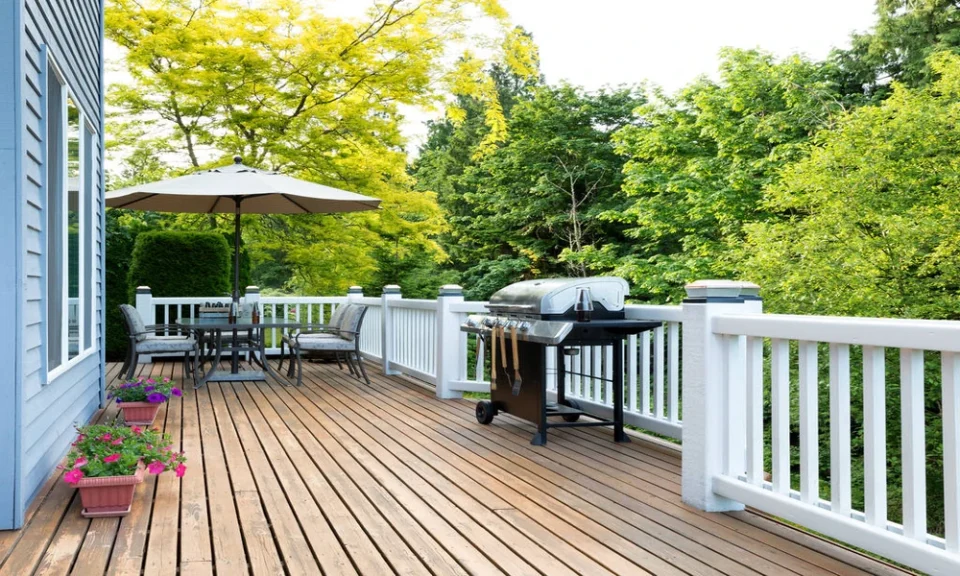
Composite decking has become a popular choice for homeowners looking to enhance their outdoor living spaces with a durable and low-maintenance solution. Designed to combine the appearance of natural wood with the strength of modern materials, composite decking offers long-term performance and visual appeal. Unlike traditional wood decks, composite materials are engineered to resist common outdoor challenges such as moisture, fading, splintering, and insect damage.
Installing a composite deck requires careful planning, proper materials, and precise construction techniques. Whether building a new deck or replacing an existing one, understanding the installation process can help homeowners appreciate the value of a well-executed project.
What Is Composite Decking?
The composite decking is composed of a combination of recycled wood fibres and plastic material. The combination results in tough, long-lasting boards that have the appearance of wood but without the maintenance issues of real wood.
There are a number of advantages to composite decking:
- Low maintenance
- Long-lasting durability
- Moisture resistance
- Resistance to rot and insects
- Minimal fading or staining
Thanks to these benefits, many homeowners opt for composite decking for their patios, backyard decks, roof decks, and outdoor entertainment areas. Click here for reference.
Planning Before Installation
The key to a successful composite deck installation is good planning. Prior to construction, there are a number of considerations to keep in mind to make sure the deck will function, be safe, and look good.
Planning typically includes:
- Determining deck size and layout
- Evaluating site conditions
- Establishing a budget
- Selecting materials
- Checking local building requirements
In particular, preparation of the site is key. The ground, drainage, slope and space available are factors that need to be considered before development.
Costly issues can be avoided by good planning.
Building the Foundation
One of the most critical aspects of the composite deck installation is the foundation. This will help the deck to remain safe and structurally sound over the years.
The typical components of most deck foundations are:
- Footings
- Support posts
- Beams
- Joists
Structural components that support the deck and even out weight distribution. For long-lasting durability, spacing and proper alignment are key.
The foundation must be built properly or it can cause the foundation to sag, become unstable, and wear out early on.
Since one of the things that makes composite decking boards special is that they tend to be heavier than wood, it is especially important to have strong framing.
Installing the Deck Boards
During composite deck installation, the composite decking boards can be attached after the frame is finished. Spacing, alignment and fastening techniques are important during this stage.
The composite boards will move with changes in temperature, so the builder should allow for natural movement by leaving gaps between boards.
There are several common ways to install them, such as:
- Hidden fasteners
- Deck screws
- Clip systems
Hidden fasteners are particularly popular because they will provide a smooth surface with fewer visible screws.
The correct boards will ensure the overall appearance is polished and a better flow of drainage and ventilation.
Precision in installation made a tremendous difference in terms of style and function.
Railings and Finishing Features
The finishing of the decking boards is done with railings, stairs and trim. These elements contribute to safety, functionality and design.
The popular finishes are:
- Railings
- Stairs
- Built-in seating
- Lighting
- Privacy screens
These additions can add to the look and functionality of the deck.
Careful finishing touches contribute to an overall cozy and inviting outdoor living area.
Common Installation Challenges
Installing decks with composite materials might be difficult, particularly for bigger and more complex decks.
These are some of the common difficulties:
- Uneven ground
- Drainage issues
- Improper spacing
- Framing errors
- Weather delays
These can cause the deck both to look odd and to structurally fail.
Familiar builders know how to solve these issues and keep construction of high quality.
When done correctly, the risk of future repairs or performance problems is minimized.
Long-Term Maintenance
The most prominent advantage of using composite decking is the lower maintenance requirement. As opposed to conventional wood decks, composite materials generally do not need to be sanded, stained or sealed.

Typical maintenance includes:
- Sweeping debris
- Washing with water and mild soap
- Cleaning spills promptly
A simple treatment can maintain the deck’s appearance and look best.
Cleaning is a minimum maintenance requirement to help ensure long-term performance. Visit https://www.linkedin.com/pulse/caring-your-composite-deck-dos-donts-easy-maintenance-tips-timmdek-pkfke to read more.
Conclusion
Composite deck installation is a detailed process that requires planning, precision, and quality craftsmanship. From preparing the site and building a strong foundation to installing boards and finishing features, every step contributes to the success of the project.
Composite decking continues to be a popular choice because of its durability, low maintenance, and attractive appearance. With proper installation, a composite deck can provide homeowners with a beautiful, functional outdoor space for many years.
A well-built composite deck not only improves outdoor living but also adds long-term value and enjoyment to a home.
