

The climate of one city is defined by its intensity, featuring heavy, sudden downpours and high humidity that can be merciless on buildings. Over time, these environmental factors inevitably lead to water damage, making robust waterproofing in Singapore a necessity, not an option, for property owners. Ignoring the early signs of moisture ingress can escalate into significant structural and aesthetic issues, drastically reducing your house’s value and comfort. Here are the essential steps homeowners must take to protect their investment from the persistent threat of water.
Identify the Vulnerable Zones in Your Property
Before any remedial work begins, you must accurately locate where water is entering or pooling. Water often follows the path of least resistance, meaning the visible stain might be far from the actual entry point. In properties, particularly those under the Housing and Development Board (HDB) or private condominiums, the most vulnerable areas are typically the wet rooms like bathrooms and kitchens, as well as external surfaces such as balconies, flat roofs, and exterior walls.
For wet rooms, look for signs of peeling paint, mould, or damp patches around the base of showers, toilets, and floor traps. A common issue is the failure of the original membrane beneath the tiles.
For exterior, cracks in the facade or deteriorated joint sealants are prime pathways for rainwater to penetrate. Pay special attention to the juncture between windows/doors and the wall structure.
For roofs/balconies, ponding water after rain is a clear indicator of poor drainage or surface degradation. This relentless saturation is a precursor to major water seepage.
Notice the Symptoms and Necessity for Water Seepage Repair
Recognising the early symptoms of moisture damage is key to minimising the overall expense and disruption. A faint musty smell, efflorescence (a white, powdery residue on masonry), or damp spots that persist even during dry weather all point towards an active moisture problem. When these signs appear, timely intervention for water seepage repair in Singapore becomes non-negotiable.
For pest infestation, damp environments attract termites and other household pests, leading to secondary damage.
For structural integrity, long-term saturation can compromise reinforcing steel in concrete structures (spalling), a serious structural concern for any building.
For aesthetic damage, peeling paint, blistering plaster, and mould growth severely detract from the look and feel of your living spaces. Addressing these issues with targeted repair methods is essential.
In some cases, especially in older properties, the repair may involve non-invasive injection technologies rather than extensive hacking, offering a faster and cleaner solution to halt water migration through concrete. Effective waterproofing in Singapore often hinges on selecting the appropriate repair methodology for the specific type and source of the leak.
Implement the Correct Waterproofing Methodology
There is no one-size-fits-all approach to stopping leaks. The best solution depends entirely on the location and nature of the water ingress. Employing a professional who understands the nuances of construction materials and local weather patterns is invaluable. They can advise whether you require a cementitious slurry for internal wet areas, an acrylic or polyurethane membrane for exposed surfaces, or injection grouting for structural cracks.
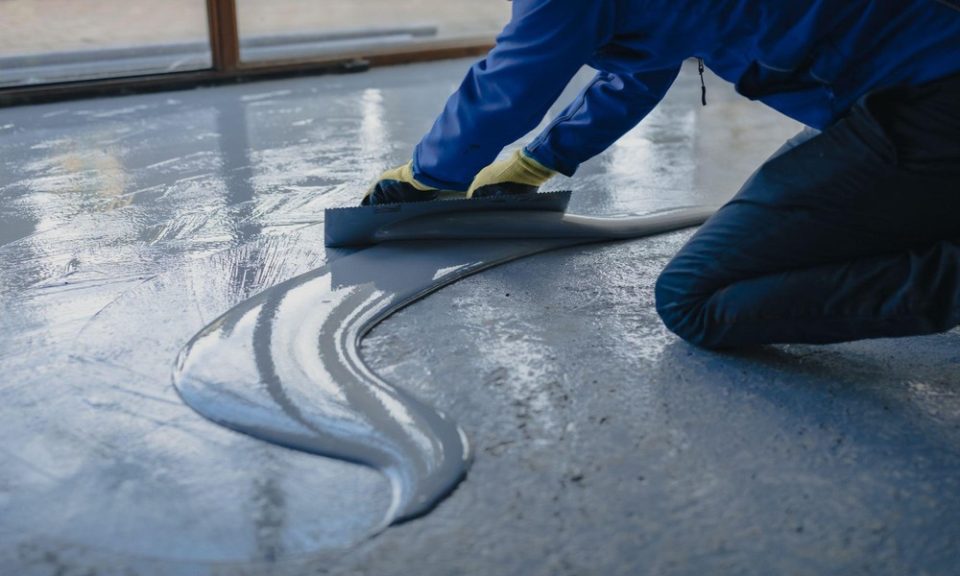
For substrate preparation, this is arguably the most important step. Surfaces must be clean, dry, and free of dust, grease, and loose material before any coating is applied. Poor preparation leads to immediate failure, regardless of the quality of the product.
For material selection, high-flexibility membranes are better suited for areas prone to movement, such as flat roofs, to accommodate expansion and contraction without cracking the waterproof layer. For basement walls, crystalline admixtures that react with concrete to form a non-soluble barrier might be appropriate.
For quality application, ensuring the correct thickness and curing time for the material, according to the manufacturer’s specifications, is paramount for the longevity of the water seepage repair in Singapore.
The tropical environment necessitates materials that are resistant to Ultraviolet (UV) degradation and have excellent adhesion. Investing in quality materials and precise application ensures a long-lasting barrier against the elements, significantly delaying the need for future repairs.
Key Takeaways
A successful strategy for maintaining a dry and comfortable home hinges on vigilance, early detection, and professional execution. From thoroughly identifying the entry points to selecting the appropriate, high-quality material for the job, each step contributes to the overall effectiveness of your defence. Prioritising a comprehensive approach to waterproofing in Singapore will safeguard your home’s structural health and preserve your peace of mind against the relentless tropical rain.
Contact Eternity Waterproofing to schedule a professional assessment of your property’s moisture concerns.
