

Key Takeaways
- There are vital differences between waterproof coating and waterproofing membrane applications in Singapore.
- Many systems fail due to poor surface preparation or environmental stress.
- Technical data sheets and certifications separate marketing hype from real performance.
- Identify which solution suits specific areas, from exposed rooftops to internal wet areas.
Introduction
Water damage starts through hairline cracks, weak joints, or moisture penetration. These small vulnerabilities can quickly escalate into structural concerns if not addressed with the correct technology. The distinct roles of waterproof coating and waterproofing membrane in Singapore serve different functions within a comprehensive building protection system. Understanding how they work allows property owners to make decisions that hold up the elements.
Distinguishing Liquid Coatings from Robust Membranes
At first glance, waterproofing products may seem similar, but their functions differ significantly. A waterproof coating is often the preferred choice for exposed surfaces such as external walls or balconies. On the other hand, a waterproofing membrane system in Singapore acts as a more robust, heavy-duty barrier. Often installed beneath tiles or structural slabs, these membranes form a continuous shield that prevents water ingress even under constant hydrostatic pressure.
The Science of Why Waterproofing Systems Fail
Failures in waterproofing are a combination of poor material selection and improper application. A waterproof coating may fail prematurely if applied to an unprepared surface where dust or latent moisture prevents proper adhesion. Similarly, even a high-end waterproofing membrane solution will underperform if installation gaps are overlooked. Therefore, materials must possess enough elasticity to accommodate structural expansion and contraction without rupturing.
Validating Product Performance Claims
Reliable waterproofing membrane systems must comply with recognised testing standards, such as water permeability and tensile strength benchmarks. These certifications indicate how the material performs under controlled, high-stress conditions. By examining technical data sheets, you can reveal essential properties, ensuring the product is fit for Singapore’s unique tropical challenges.
Real-World Evidence and Application Guidelines
Field performance is just as important as laboratory results. Documented case studies or successful long-term applications provide insight into how a waterproof coating performs in real-world scenarios rather than just promotional descriptions. A product that requires precise preparation is not necessarily flawed, but it does require skilled execution. Understanding these requirements helps ensure that the chosen system is applied correctly by your contractors.
Precision in Surface Preparation and Layering
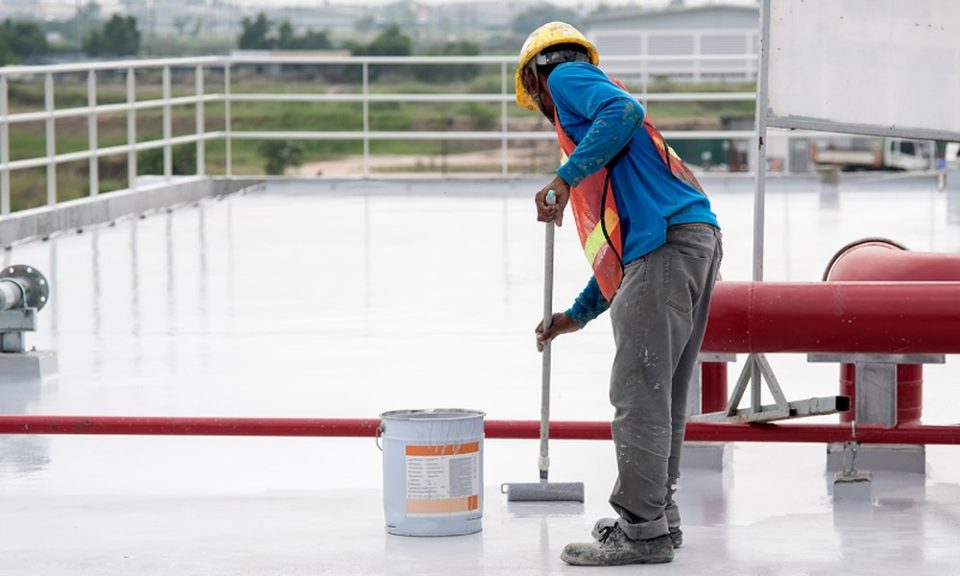
Even the most advanced waterproof coating will underperform if applied incorrectly. Application is the critical stage where theoretical protection meets practical execution. Surface preparation is the non-negotiable first step, involving thorough cleaning and the repair of any existing structural cracks. Skipping this stage leads to poor bonding. Many coatings require multiple applications to achieve the optimal dry film thickness (DFT) to resist water penetration effectively.
Managing Environmental Variables During Installation
Timing and environmental control also play a massive role in a successful project. High humidity or sudden rain during the application of a waterproofing membrane in Singapore can affect the curing process and final integrity of the material. Professionals account for these variables, ensuring the substrate is dry and that the temperature is within the manufacturer’s recommended range. This meticulous attention to detail during the installation phase is what separates a temporary patch-up job from a permanent structural solution.
Proactive Maintenance for Long-Term Performance
Waterproofing should never be viewed as a one-time install and forget solution. Over time, constant exposure to UV rays, building movement, and general wear can affect the system’s performance. A waterproof coating exposed to the sun may require periodic inspection and reapplication every several years to maintain its water-repellent properties. While a waterproofing membrane system in Singapore is typically more durable due to being buried under tiles or screed, the joints and edges remain critical points for signs of failure or moisture seepage.
Choosing the Right System for Your Property
Selecting between a waterproof coating and a waterproofing membrane solution depends on the location and the specific structural requirements of your property. For exposed surfaces requiring flexibility, coatings offer ease of application and maintenance. For critical areas, membranes provide the comprehensive barrier needed to handle water pressure. In many sophisticated projects, a combination of both systems delivers the most reliable results, creating a multi-layered defence that safeguards the interior and overall value.
Conclusion
Effective waterproofing is an investment in the longevity and safety of your property. By understanding the distinct roles of waterproof coating and waterproofing membrane solutions in Singapore, and by insisting on validated product performance, you can protect your space from the persistent challenges of tropical weather. From the initial material selection to the final application and ongoing maintenance, each stage is vital. Prioritising evidence-based choices and expert execution ensures that your home or commercial building remains dry, safe, and structurally sound, proving that true protection is found in performance that lasts.
Looking for reliable waterproofing solutions? Reach out to Ardex-Quicseal and deliver tested performance for various building needs today.
