

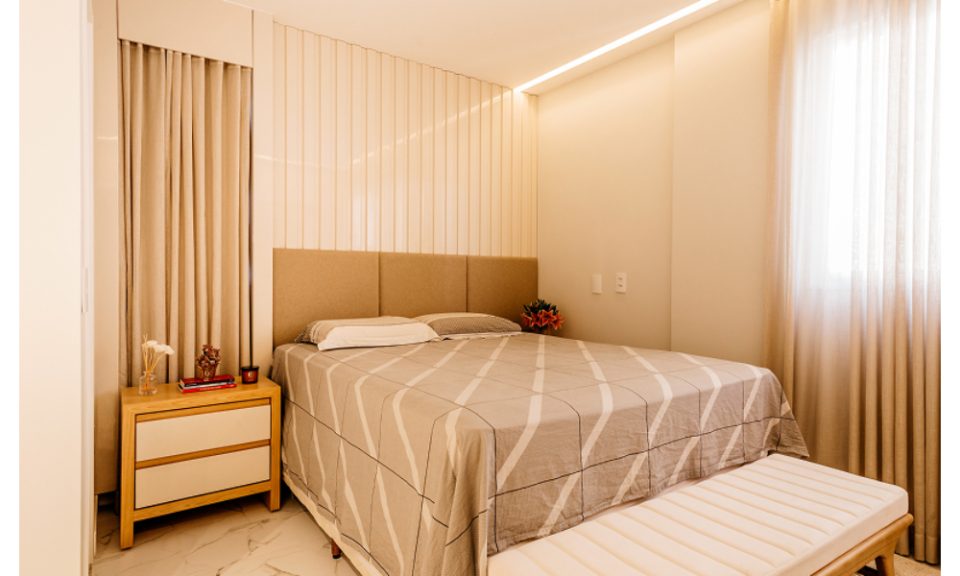
Minimalism has become a dominant residential trend, but many homeowners worry that stripping a home down to its essentials can result in a cold or impractical living space. In reality, well-executed minimalist interior design in the city-state prioritises liveability as much as visual restraint. This instance is where professional interior design services play a critical role, translating minimalist principles into homes that feel calm, functional, and distinctly lived-in rather than bare.
Designing Around Daily Living, Not Just Visual Simplicity
A common misconception about minimalist homes is that they are designed primarily for appearance. In practice, interior design services begin with how residents move, work, and relax within the space. Furniture layouts, circulation paths, and zoning are carefully planned to support daily routines without visual clutter. This approach ensures that minimalism enhances usability instead of restricting it. A minimalist layout should reduce friction in daily life, not introduce inconvenience.
Strategic Space Planning to Prevent Emptiness
Minimalist interiors rely heavily on proportion and balance. Empty space is intentional, but it is never accidental. Professional designers understand how much negative space a room needs to feel open without becoming underutilised. Interior design services carefully assess room dimensions, ceiling heights, and natural light before determining how much furniture or built-in carpentry is appropriate. This measured approach prevents rooms from feeling hollow or unfinished while still preserving the clarity that defines minimalist interior design in Singapore.
Storage Integration That Supports Visual Cleanliness
Clutter is often what pushes minimalist homes into discomfort when storage is poorly planned. Effective interior design services integrate storage discreetly into walls, platforms, and custom carpentry so that essential items remain accessible but visually hidden. This approach is critical in local apartments, where storage demands are high. Minimalist homes remain functional when everyday necessities have a designated place, allowing surfaces to stay clear without forcing residents to live unnaturally restrained lifestyles.
Material Choices That Add Warmth and Tactility
Sterility often comes from an overreliance on stark colours and flat finishes. Experienced designers counter this by introducing texture through materials rather than decoration. Wood grains, stone finishes, fabric upholstery, and matte surfaces are frequently used to soften minimalist interiors. Interior design services understand that minimalist interior design must respond to climate and lifestyle, using materials that feel comfortable to the touch and age well over time, rather than relying on overly polished or clinical finishes.
Lighting as a Functional Design Tool
Lighting plays a decisive role in how minimalist homes are experienced. Rather than treating lighting as an afterthought, interior design services plan it as a core functional element. Layered lighting—ambient, task, and accent—ensures that spaces adapt to different times of day and activities. Well-designed lighting in minimalist interiors prevents rooms from feeling flat or cold, while supporting practical needs such as working, cooking, or unwinding at home.
Furniture Selection Focused on Use, Not Trend
Minimalist homes cannot afford furniture that exists purely for aesthetics. Every piece must serve a purpose. Professional interior design services select furniture based on scale, ergonomics, and versatility. Multi-functional pieces, modular seating, and custom-built furniture are commonly used to maximise utility without overcrowding the space. This approach ensures that minimalist interior design in Singapore remains responsive to real-life use rather than becoming a showroom-like environment.
Personalisation Without Visual Noise
Minimalism does not mean removing personality. Interior design services help homeowners introduce personal elements in controlled, meaningful ways. Artworks, personal objects, or curated collections are placed intentionally so they stand out rather than compete for attention. This selective approach allows homes to feel personal and lived-in while maintaining visual order and calm.
Conclusion
Minimalist homes only become sterile when functionality is overlooked in favour of rigid aesthetics. However, with the guidance of professional interior design services, minimalist interior design can support everyday living while retaining its clarity and restraint. Remember, when space planning, materials, lighting, and storage are thoughtfully aligned, minimalism becomes not just a visual style, but a practical and comfortable way of living.
Contact M2 Decor and let us help you plan a minimalist home that still works for daily living.
