

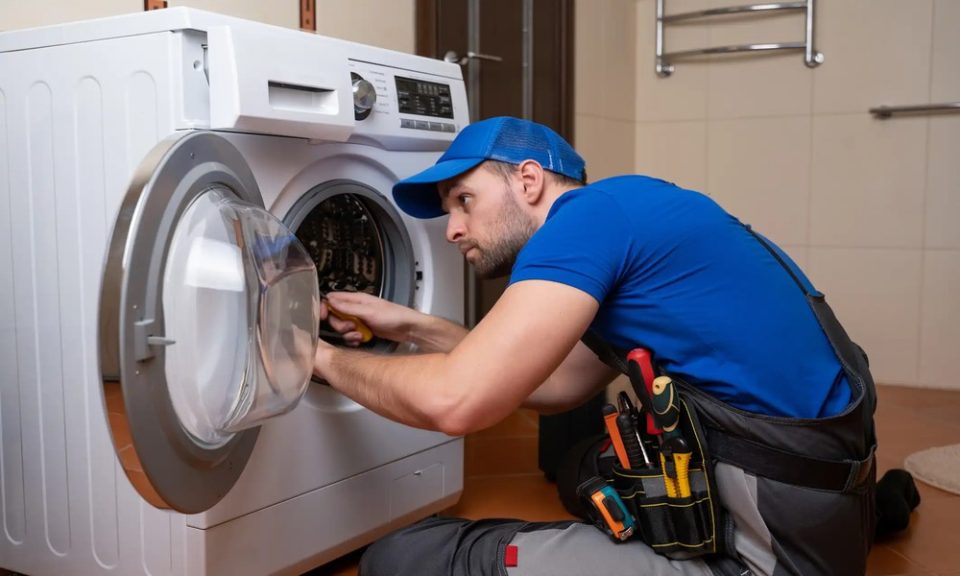
Washing machines are among the hardest-working appliances in any household. The average American family completes between 300 and 400 loads of laundry each year, placing significant stress on washer components over time. While most modern washing machines are designed to last between 10 and 13 years, heavy usage, improper loading habits, and neglected maintenance can shorten their lifespan considerably.
For homeowners in Atlanta, factors such as high humidity, hard water conditions in certain areas, and large family households can place additional demands on laundry appliances. Unfortunately, many washer failures begin as small, seemingly harmless problems. Unusual noises, minor leaks, excessive shaking, or longer cycle times are often ignored until a major breakdown occurs.
Understanding the most common causes of washing machine failures can help homeowners reduce repair costs, extend appliance lifespan, and avoid the inconvenience of unexpected laundry disruptions.
Key Takeaways
- Overloading is one of the most common causes of premature washer failure.
- Water leaks and excessive vibrations should never be ignored.
- Regular maintenance can prevent many expensive repairs.
- Front-load and top-load washers experience different types of wear and tear.
- Modern smart washers require specialized diagnostics for some repairs.
- Early intervention often costs far less than replacing major components.
How Long Should a Washing Machine Last?
The lifespan of a washing machine depends on its design, maintenance history, and usage patterns.
Average Lifespan by Washer Type
Typical lifespan expectations include-
- Front-load washers- 10-13 years
- Top-load washers- 10-14 years
- High-efficiency washers- 10-15 years
Premium models from manufacturers such as Samsung, LG, Whirlpool, GE, and Maytag may last longer when properly maintained.
Factors That Influence Lifespan
Several variables affect washer longevity-
- Household size
- Frequency of use
- Maintenance habits
- Water quality
- Load sizes
- Installation quality
A machine that handles multiple loads every day will naturally experience more wear than one used only a few times per week.
Overloading- The Hidden Cause of Many Washer Failures
Many homeowners underestimate the damage caused by overloading.
Why Overloading Is Harmful
Every washer is designed to operate within specific weight limits.
Consistently overloading can cause-
- Increased motor strain
- Suspension wear
- Premature bearing damage
- Belt deterioration
- Reduced spin efficiency
Heavy items such as comforters, rugs, and large blankets can place exceptional stress on internal components.
Common Signs of Overloading Damage
Watch for-
- Excessive vibration
- Loud operating noises
- Poor spin performance
- Slower cycles
- Increased movement during operation
Best Practices
To reduce strain-
- Follow manufacturer load recommendations
- Distribute laundry evenly
- Avoid washing oversized items alone
- Separate particularly heavy loads
These simple habits can significantly extend washer lifespan.
Water Leaks- Small Problems That Become Expensive
A small leak today can become a major repair bill tomorrow.
Common Leak Sources
Most washer leaks originate from-
- Damaged supply hoses
- Worn door gaskets
- Loose connections
- Drainage system problems
- Cracked dispensers
Rubber components naturally deteriorate with age and usage.
Potential Consequences
Ignoring leaks may result in-
- Flooring damage
- Mold growth
- Cabinet deterioration
- Structural damage
- Higher repair expenses
Even a slow drip can cause significant damage over time.
Preventive Maintenance Tips
Homeowners should-
- Inspect hoses annually
- Replace aging rubber hoses
- Tighten loose fittings
- Monitor for moisture buildup
- Address leaks promptly
Routine inspections often identify problems before they become costly.
Drainage Problems and Standing Water
Drainage issues are among the most common reasons homeowners seek washer repairs.
Signs of Drainage Issues
Common symptoms include-
- Standing water after cycles
- Slow draining
- Error codes
- Musty odors
- Wet clothing after washing
Common Causes
Drainage problems often result from-
- Blocked drain hoses
- Clogged filters
- Faulty drain pumps
- Kinked plumbing lines
- Electronic control failures
Small objects such as coins, buttons, and lint frequently contribute to blockages.
Why Fast Repairs Matter
Prompt repairs help-
- Prevent mold and mildew
- Reduce motor strain
- Improve washing performance
- Avoid additional component damage
The longer drainage issues persist, the more stress they place on other systems.
Excessive Vibrations and Movement
Every washing machine vibrates to some degree, but excessive movement usually indicates a problem.
Why Washers Shake
Common causes include-
- Uneven installation
- Unbalanced laundry loads
- Suspension component wear
- Damaged shock absorbers
- Weak flooring support
Front-load washers often spin at speeds exceeding 1,000 RPM, making balance especially important.
Risks of Ignoring Vibrations
Unresolved vibration can lead to-
- Internal component damage
- Plumbing stress
- Reduced appliance lifespan
- Increased repair costs
Simple Troubleshooting Steps
Homeowners can often reduce vibration by-
- Leveling the appliance
- Balancing laundry loads
- Inspecting flooring stability
- Avoiding overloading
Persistent shaking typically requires professional inspection.
Washer Won’t Spin Properly
A washer’s spin cycle is critical for removing moisture from clothing.
Mechanical Causes
Common mechanical failures include-
- Worn drive belts
- Lid switch failures
- Drive system problems
- Bearing wear
Electronic Causes
Modern washers rely heavily on electronic systems.
Potential electronic issues include-
- Sensor malfunctions
- Control board failures
- Communication errors
- Software-related problems
Impact on Laundry Performance
Poor spinning can result in-
- Wet clothes after cycles
- Longer drying times
- Higher energy consumption
- Reduced efficiency
Many homeowners first notice problems when clothes emerge noticeably wetter than usual.
Common Problems by Washer Brand
Different manufacturers experience different repair trends.
Samsung Washers
Frequently reported issues include-
- Vibration concerns
- Smart control errors
- Drain pump failures
LG Washers
Common complaints involve-
- Sensor-related issues
- Connectivity problems
- Drainage concerns
Whirlpool Washers
Owners often experience-
- Drive motor concerns
- Lid switch failures
- Spin-cycle issues
Maytag Washers
Typical repair calls involve-
- Suspension wear
- Drive system problems
- Vibration issues
GE Washers
Common concerns include-
- Control panel failures
- Drain system problems
- Electronic faults
Smart Washing Machines- Benefits and Challenges
Technology has transformed modern laundry appliances.
Popular Smart Features
Many washers now include-
- Wi-Fi connectivity
- Remote monitoring
- App-based diagnostics
- Voice assistant compatibility
- Automated notifications
Common Smart Washer Issues
Advanced technology introduces new challenges-
- Connectivity failures
- Software glitches
- Sensor errors
- Firmware problems
Why Professional Diagnostics Are Often Needed
Unlike traditional machines, smart washers frequently require-
- Specialized software tools
- Brand-specific diagnostics
- Electronic troubleshooting
- Firmware updates
This is particularly true for smart models from Samsung and LG.
Habits That Shorten Washer Lifespan
Many breakdowns result from everyday habits rather than manufacturing defects.
Using Too Much Detergent
Excess detergent can create-
- Residue buildup
- Drainage issues
- Sensor problems
Ignoring Maintenance Alerts
Modern washers often provide warning indicators that should not be overlooked.
Overloading the Drum
Consistent overloading remains one of the leading causes of premature component wear.
Skipping Filter Cleaning
Dirty filters restrict water flow and increase stress on pumps.
Delaying Minor Repairs
Small issues often evolve into expensive repairs when left unresolved.
Why Professional Washer Repairs Often Save Money?
Many homeowners continue using a washer after symptoms first appear, hoping the problem will resolve itself. Unfortunately, minor issues involving pumps, bearings, motors, and control boards rarely improve on their own.
In fact, delayed repairs often allow damage to spread to additional components, significantly increasing repair costs. Homeowners experiencing recurring leaks, drainage failures, excessive vibration, or spin-cycle problems often find that professional washer repair in Atlanta helps identify underlying issues before they become major mechanical failures.
Experienced technicians can accurately diagnose problems, source quality replacement parts, and restore appliance performance while helping prevent repeat breakdowns.
Preventive Maintenance Checklist
Monthly Tasks
- Clean detergent dispensers
- Inspect door seals
- Check for visible leaks
- Monitor unusual noises
Quarterly Tasks
- Clean filters
- Inspect hoses
- Monitor vibration levels
- Evaluate drainage performance
Annual Tasks
- Replace worn hoses if necessary
- Schedule professional inspections
- Test drainage systems
- Review appliance performance
Routine maintenance remains one of the most cost-effective ways to extend washer lifespan.
Repair vs. Replace- How to Decide
When Repair Makes Sense
Repairs are often worthwhile when-
- The washer is less than 8-10 years old
- Repair costs remain reasonable
- The machine has a strong maintenance history
- Problems involve isolated components
When Replacement May Be Better
Replacement may deserve consideration when-
- Frequent breakdowns occur
- Major bearing failures develop
- Transmission issues arise
- Energy efficiency declines significantly
A professional evaluation can help determine the most economical path forward.
Conclusion
Most washing machine breakdowns result from a combination of heavy use, normal wear, and neglected maintenance. Problems such as leaks, drainage failures, excessive vibration, and spin-cycle issues often begin gradually before developing into major repairs.
For Atlanta homeowners, proactive maintenance and prompt attention to warning signs can significantly extend appliance lifespan while reducing repair expenses. By adopting good laundry habits, performing routine inspections, and addressing problems early, homeowners can avoid many of the costly breakdowns that disrupt daily life.
When it comes to washer reliability, prevention is almost always less expensive than emergency repairs.
FAQs
What is the most common reason a washing machine breaks down?
Overloading, drainage issues, worn suspension components, and neglected maintenance are among the most common causes of washer failures.
How often should washing machine hoses be replaced?
Most experts recommend inspecting hoses annually and replacing rubber hoses every three to five years.
Why is my washer leaving clothes wet after a cycle?
Common causes include spin-cycle failures, drainage problems, drive belt issues, and electronic control malfunctions.
Can excessive vibration damage a washing machine?
Yes. Persistent vibration can damage suspension systems, bearings, plumbing connections, and other internal components.
How can I extend the lifespan of my washing machine?
Regular maintenance, proper loading practices, prompt repairs, and routine inspections can significantly improve washer longevity.
